Skip to content
Therascout

Language

Classical massage

Classical massage is a hands-on treatment of the muscles. The therapist strokes, kneads and rubs the skin and muscles to ease tension and stimulate blood flow. Many people find it soothing and relaxing.

therapists
16
session length
30–60 min

Therascout does not diagnose. Have new, severe or persistent complaints checked by a doctor first. In an emergency: 144

Origin and approach

Classical massage goes back to so-called Swedish massage from the 19th century. It is based on five basic strokes: stroking, kneading, rubbing, tapping and vibration. The idea is that pressure and movement loosen the tissue and promote wellbeing.

What a session is like

Length: 30–60 min
  1. At the start, the therapist asks about your complaints, your health and what you would like.
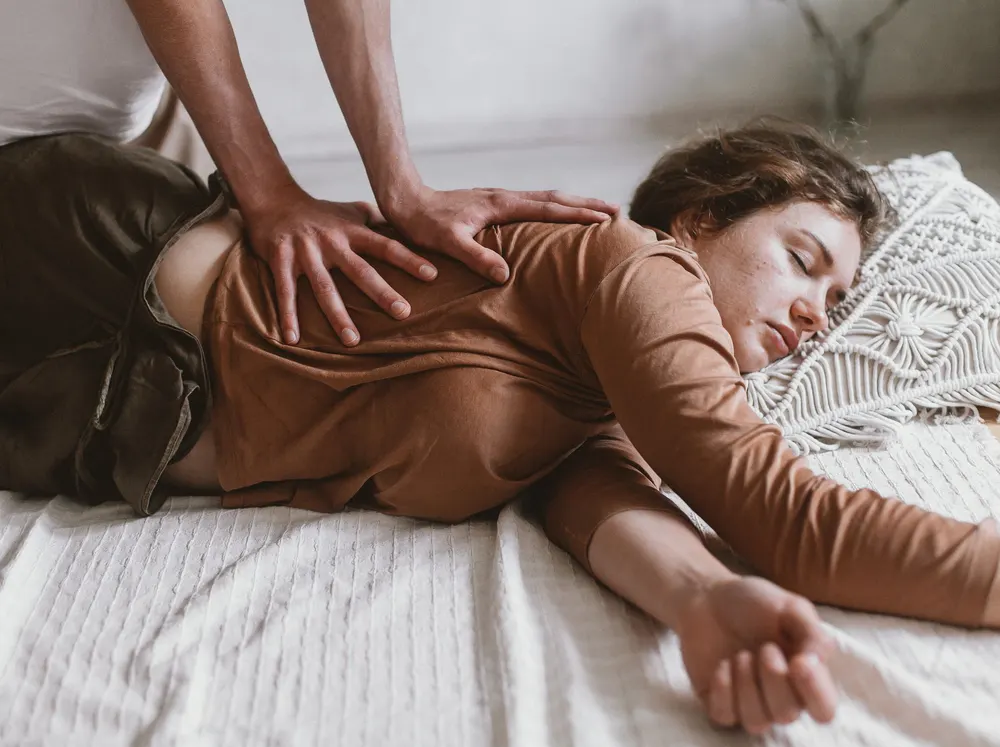
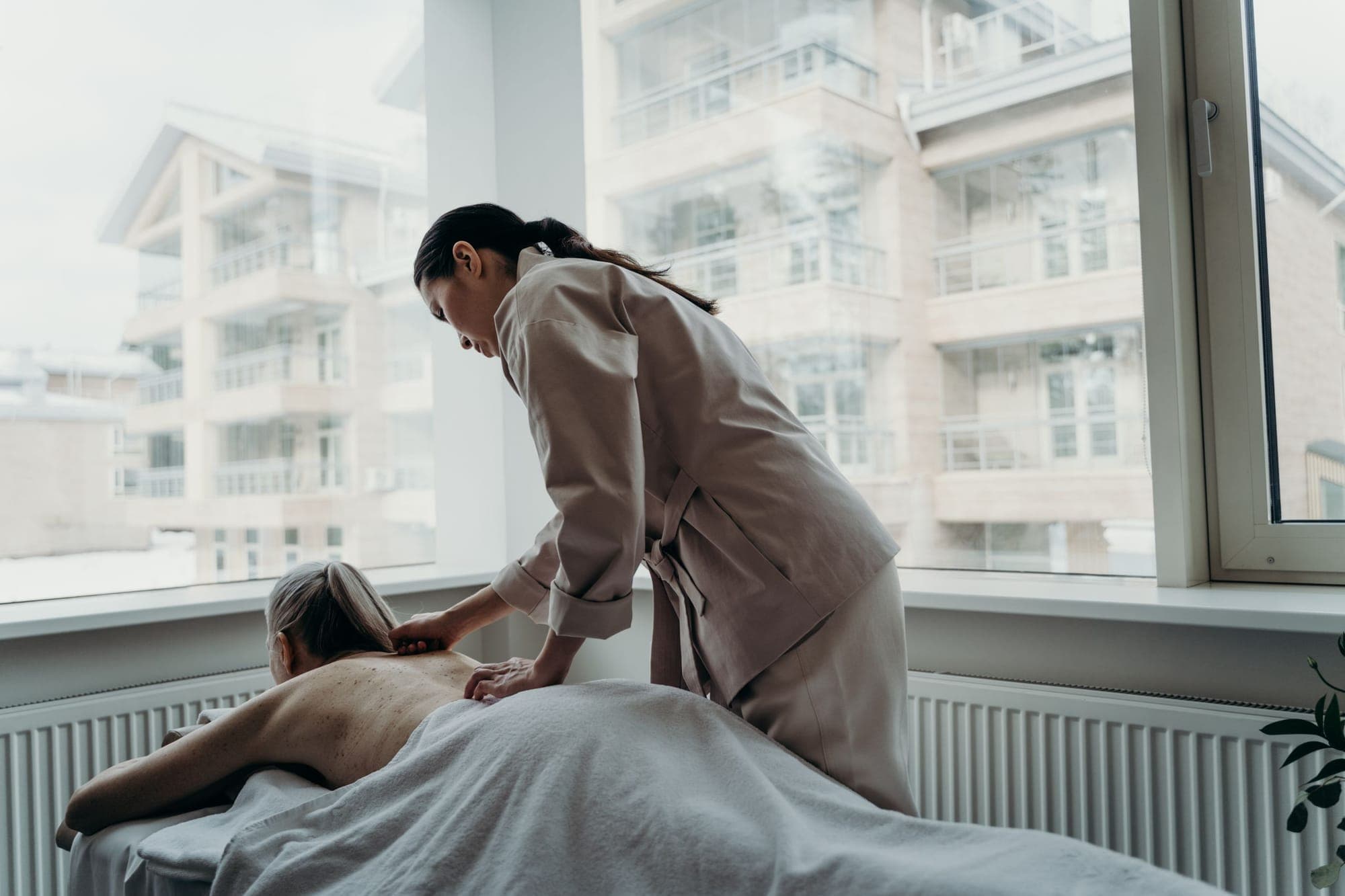
  2. You lie on a massage table and only uncover the areas being treated; the rest of you stays covered.
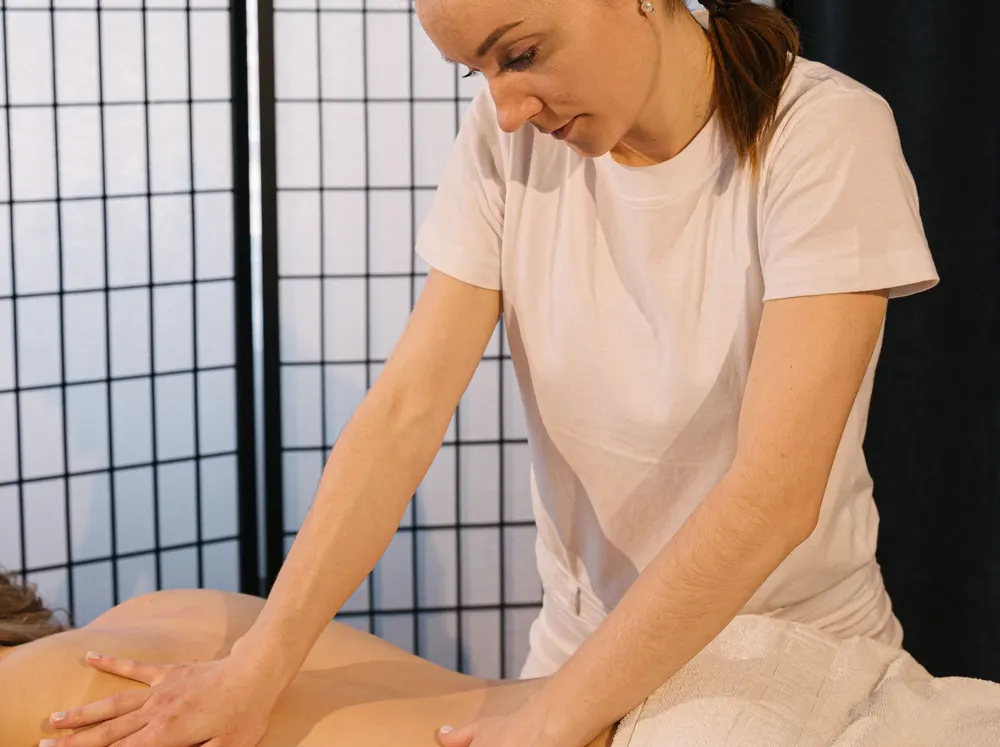
  3. Depending on your needs, your back, neck, arms or legs are massaged with oil or lotion.
  4. Say at any time if the pressure is too firm or too light.
  5. Afterwards, it is worth resting for a moment and having something to drink.

Classical massage: what is it used for?

  • Muscle tension: some studies show that massage can ease tension in the short term.
  • Back and neck pain: massage can ease pain in the short term, especially alongside movement and exercises.
  • Stress: some studies suggest that massage can help you relax.
  • Headaches and sleep problems: some people report relief, but there is little research.

How well is the effect supported?

Complaints for which this method is commonly used, sorted by the state of research. The rating shows how well the effect is supported, not whether it will help you.

What do the dots mean?
Established
recommended in guidelines, well studied
Partly supported
effect shown in studies, with limitations
Limited evidence
few or weak studies
Hardly studied
used, but hardly or not studied

The rating covers the research, not the therapist.

Therapists: Classical massage

  • Portrait of Sarah Brunner, Manual lymphatic drainage in Zurich

    Praxis Sarah Brunner

    Save

    Save Sarah Brunner?

    With a free account, your saved therapists, your compare list and your health insurer stay available on all your devices.
    Create account
    • 4.7(3)
    • Zurich
    • Languages: de · en · pt
    Manual lymphatic drainageClassical massageMedical massage
    Price
    CHF 63–135
    Next appointment
    Available Mon, 19 Oct
  • Portrait of Claudia Huber, Manual lymphatic drainage in Basel

    Praxis Claudia Huber

    Save

    Save Claudia Huber?

    With a free account, your saved therapists, your compare list and your health insurer stay available on all your devices.
    Create account
    • 4.8(4)
    • Basel
    • Languages: de · fr
    Manual lymphatic drainageClassical massageSports massage
    Price
    CHF 60–130
    Next appointment
    Available from tomorrow
  • Portrait of Claudia Schmid, Thai massage in Bern

    Praxis Claudia Schmid

    Save

    Save Claudia Schmid?

    With a free account, your saved therapists, your compare list and your health insurer stay available on all your devices.
    Create account
    • 4.8(5)
    • Bern
    • Languages: de · en
    Thai massageClassical massage
    Price
    CHF 66–140
    Next appointment
    Available from tomorrow
See all 16

Costs and health insurance

Basic insurance
usually not.
Supplementary insurance
often 50–80% with EMR- or ASCA-recognised therapists, often up to an annual maximum.
Your insurer
Each profile shows which insurers recognise the therapist.
Practice prices
See prices in each practice profile.
Recognitions explained →

Good to know

  • For tension, a few sessions one to two weeks apart are often useful; many people also come regularly to relax.
  • Massage is not given with a fever, acute inflammation, thrombosis, a fresh injury or skin problems in the area to be treated.
  • If you take blood thinners, are pregnant or have cancer, mention it beforehand so the treatment can be adapted.
  • Have new, severe or unexplained pain checked by a doctor first, for example after an accident or if you have numbness.

Training and recognition in Switzerland

There is no state-regulated training for classical massage, so training varies widely. It is usually paid privately; some supplementary insurers contribute if the therapist is registered with EMR or ASCA.