Skip to content
Therascout

Language

Craniosacral therapy

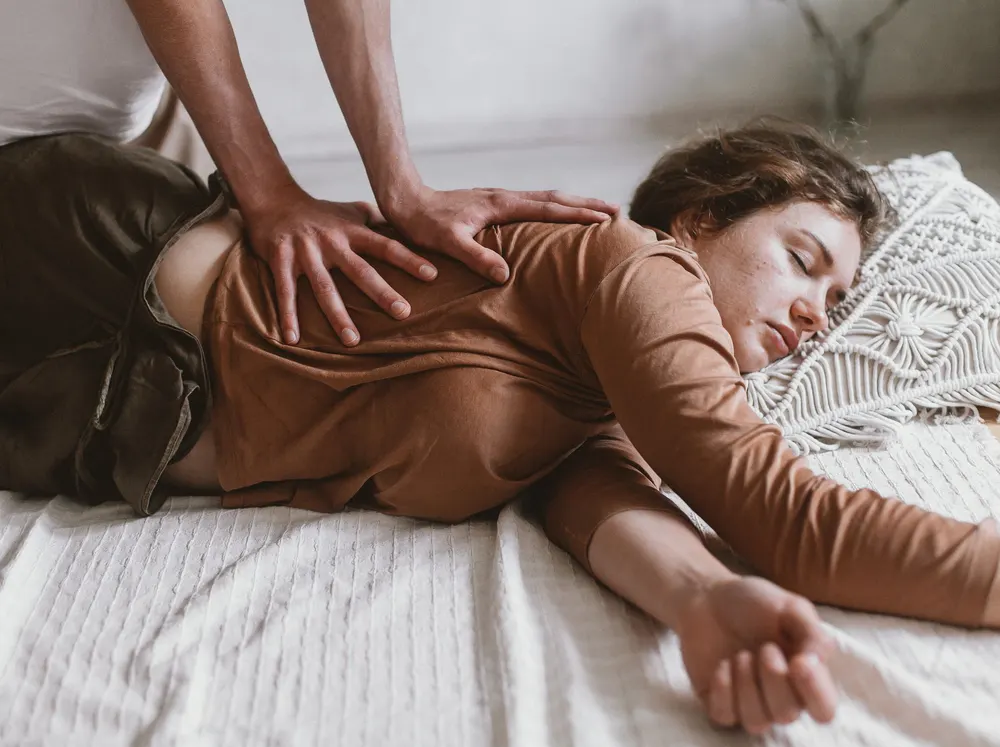
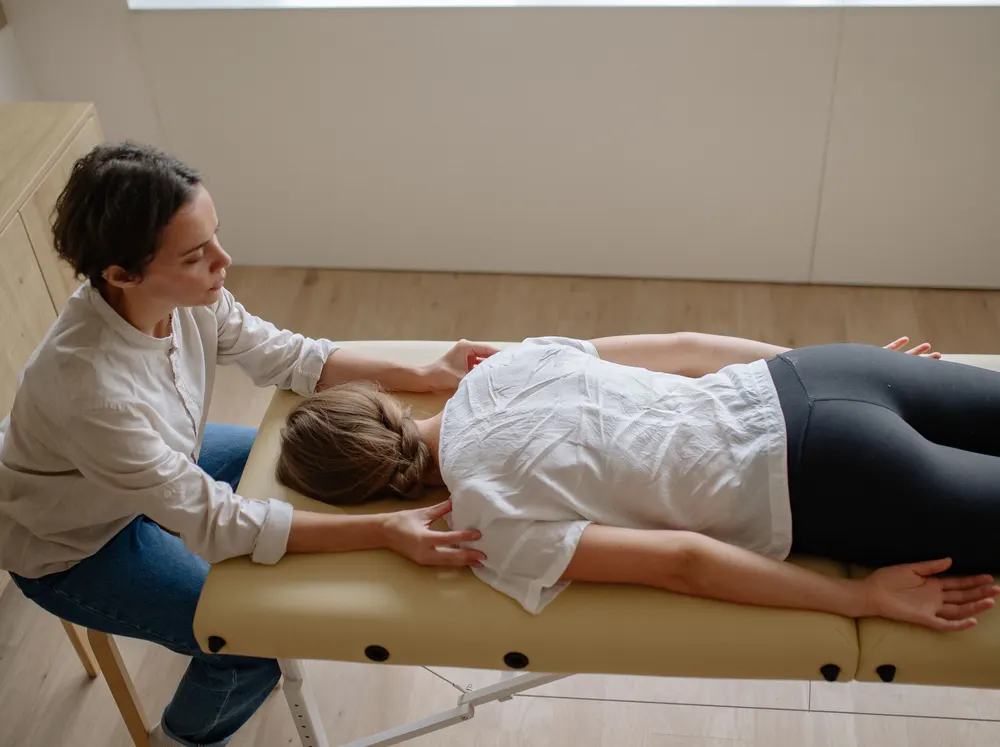
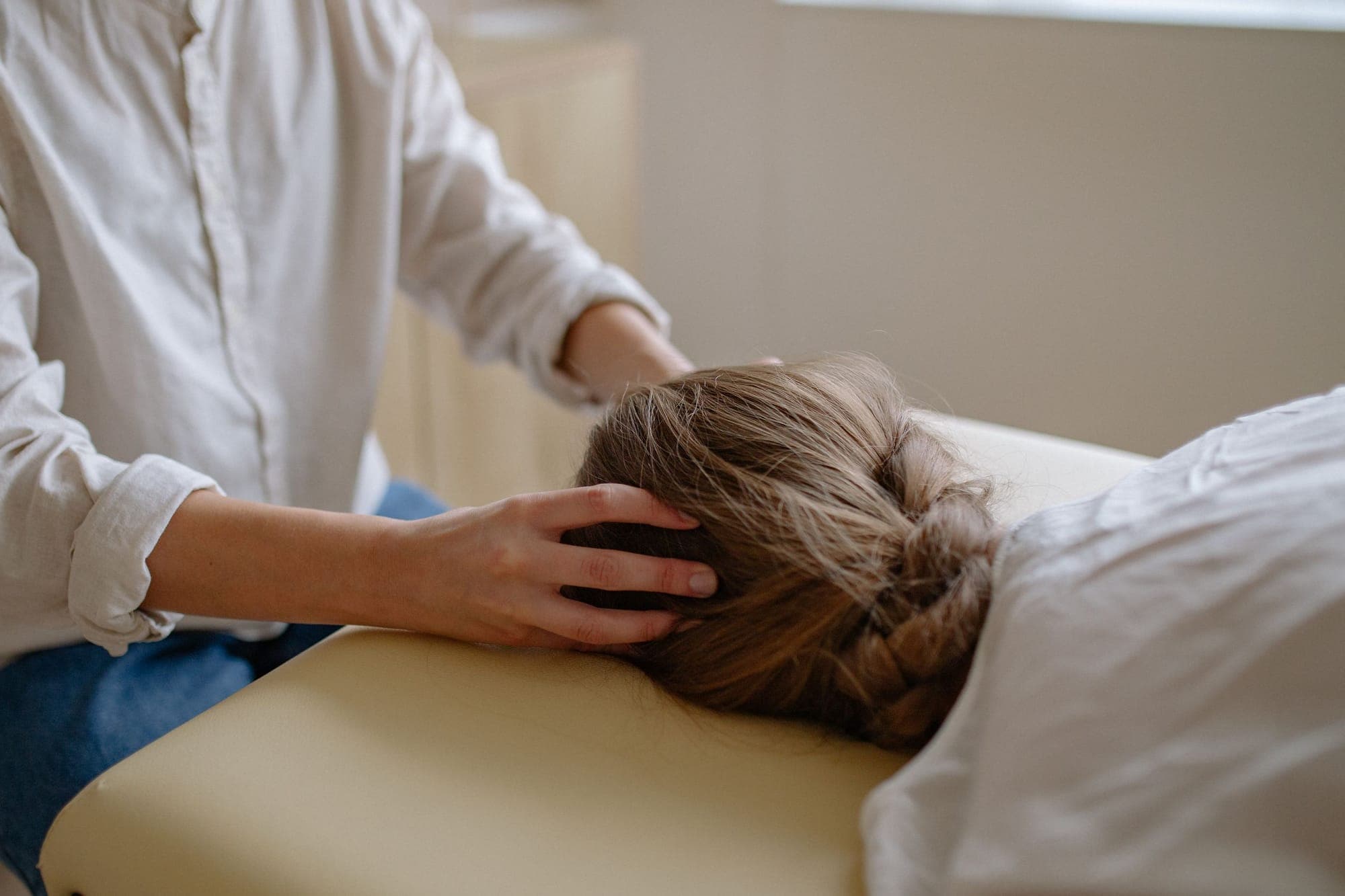
Craniosacral therapy is a very gentle hands-on treatment. The therapist places their hands with light pressure on the head, spine, sacrum and other parts of the body. Many people find the sessions deeply relaxing.

therapists
6
session length
45–75 min

Therascout does not diagnose. Have new, severe or persistent complaints checked by a doctor first. In an emergency: 144

Origin and approach

The method grew out of osteopathy: William Sutherland described the idea in the early 20th century, and John Upledger developed it further in the 1970s. It assumes a subtle rhythm of the fluid around the brain and spinal cord, which can supposedly be felt and influenced by hand. This rhythm and the ability to influence it have not been shown scientifically.

What a session is like

Length: 45–75 min
  1. In the first conversation, you talk about your complaints, your health and what you would like help with.
  2. You lie fully clothed on a treatment table, usually on your back.
  3. The therapist calmly places their hands on different areas and works with very light pressure.
  4. Many people become very calm or briefly fall asleep; at the end there is time to notice how you feel.

Craniosacral therapy: what is it used for?

  • Headaches: a common reason people come; this use is based on experience, and good studies are lacking.
  • Jaw problems, such as teeth grinding or a tense jaw: here too, the use is based on experience.
  • Stress and restlessness: many people value the relaxing effect; there is little scientific evidence.
  • Sleep problems: this use is based on tradition and experience.

How well is the effect supported?

Complaints for which this method is commonly used, sorted by the state of research. The rating shows how well the effect is supported, not whether it will help you.

We do not have a rating by complaint for this method yet.

Therapists: Craniosacral therapy

  • Portrait of Sébastien Bonvin, Osteopathy in Lausanne

    Ostéopathie Bonvin

    Save

    Save Sébastien Bonvin?

    With a free account, your saved therapists, your compare list and your health insurer stay available on all your devices.
    Create account
    • Lausanne
    • Languages: fr · en · de
    OsteopathyFascia therapyCraniosacral therapy
    EMRASCA
    Price
    CHF 60–140
    Next appointment
    Available Thu, 15 Oct
  • Portrait of Thomas Gerber, Osteopathy in Bern

    Praxis Thomas Gerber

    Save

    Save Thomas Gerber?

    With a free account, your saved therapists, your compare list and your health insurer stay available on all your devices.
    Create account
    • Bern
    • Languages: de · en · fr
    OsteopathyCraniosacral therapy
    ASCAEGK therapist register
    Price
    CHF 63–145
  • Portrait of Pascal Morand, Osteopathy in Fribourg

    Ostéopathie Morand

    Save

    Save Pascal Morand?

    With a free account, your saved therapists, your compare list and your health insurer stay available on all your devices.
    Create account
    • Fribourg
    • Languages: fr · de
    OsteopathyCraniosacral therapy
    ASCAEGK therapist register
    Price
    CHF 140
See all 6

Costs and health insurance

Basic insurance
usually not.
Supplementary insurance
often 50–80% with EMR- or ASCA-recognised therapists, often up to an annual maximum.
Your insurer
Each profile shows which insurers recognise the therapist.
Practice prices
See prices in each practice profile.
Recognitions explained →

Good to know

  • Often around 3 to 5 sessions are agreed at first; after that you decide together how to continue.
  • Craniosacral therapy does not replace medical diagnosis or treatment.
  • See a doctor straight away for new, very severe or unusual headaches, after a fall on your head, or if you have problems with vision or speech.

Training and recognition in Switzerland

Craniosacral therapy is a method of complementary therapy recognised by OdA KT; there is a federal diploma for complementary therapists (Komplementärtherapeut:in mit eidg. Diplom). Supplementary insurers usually only contribute if the therapist is registered with EMR or ASCA.