Skip to content
Therascout

Language

Drama therapy and therapeutic speech

In drama therapy you use role play, improvisation, stories, masks or puppets to express what you have experienced and try out new ways of behaving. The related therapeutic speech work uses breath, voice, speaking and texts. No acting experience is needed.

therapists
5
session length
50–90 min

Therascout does not diagnose. Have new, severe or persistent complaints checked by a doctor first. In an emergency: 144

Origin and approach

Drama therapy developed from the 1960s, mainly in Britain and the United States, and is related to psychodrama; therapeutic speech work comes from anthroposophy. The idea is that in safe play you can express feelings, look at difficult situations from a distance and try them out in new ways. Research on its effects is limited.

What a session is like

Length: 50–90 min
  1. You start by talking about how you are and what you would like to work on.
  2. You warm up with exercises for body, breath and voice.
  3. You then act out a scene or a story, or work with texts, alone with the therapist or in a group.
  4. Finally, you talk about what you experienced and what you take into everyday life.

Drama therapy and therapeutic speech: what is it used for?

  • Drama therapy is used alongside other care for low mood and anxiety.
  • People come during life crises to express and make sense of what they have been through.
  • Many use it to gain confidence and practise new ways of behaving.

How well is the effect supported?

Complaints for which this method is commonly used, sorted by the state of research. The rating shows how well the effect is supported, not whether it will help you.

We do not have a rating by complaint for this method yet.

Therapists: Drama therapy and therapeutic speech

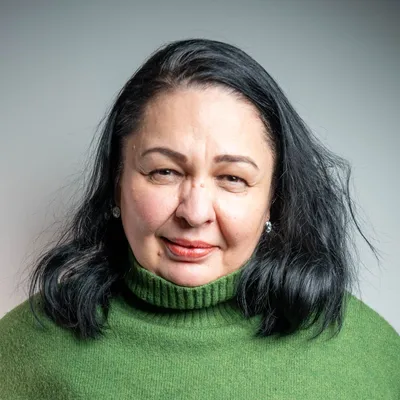
  • Portrait of Stefan Zimmermann, Music therapy in Köniz

    Praxis Zimmermann

    Save

    Save Stefan Zimmermann?

    With a free account, your saved therapists, your compare list and your health insurer stay available on all your devices.
    Create account
    • 4.8(4)
    • Köniz
    • Languages: de
    Music therapyDance and movement therapyDrama therapy and therapeutic speech
    EMREGK therapist register
    Price
    CHF 72–150
    Next appointment
    Available Fri, 16 Oct
  • Portrait of Anna Gerber, Drama therapy and therapeutic speech in Basel

    Praxis Gerber

    Save

    Save Anna Gerber?

    With a free account, your saved therapists, your compare list and your health insurer stay available on all your devices.
    Create account
    • 5.0(2)
    • Basel
    • Languages: de
    Drama therapy and therapeutic speechArt therapy
    EMRASCA
    Price
    CHF 72–150
  • Portrait of Luca Pedrazzini, Music therapy in Bellinzona

    Studio Pedrazzini

    Save

    Save Luca Pedrazzini?

    With a free account, your saved therapists, your compare list and your health insurer stay available on all your devices.
    Create account
    • Bellinzona
    • Languages: it
    Music therapyDance and movement therapyDrama therapy and therapeutic speech
    EMREGK therapist register
    Price
    CHF 69–145
See all 5

Costs and health insurance

Basic insurance
usually not.
Supplementary insurance
often 50–80% with EMR- or ASCA-recognised therapists, often up to an annual maximum.
Your insurer
Each profile shows which insurers recognise the therapist.
Practice prices
See prices in each practice profile.
Recognitions explained →

Good to know

  • Often 10 to 20 sessions; research on its effects is limited.
  • Therapeutic speech work is not speech and language therapy: for speech and language disorders, for example in children’s language development, see a speech therapist.
  • If you have severe depression, have experienced trauma or have suicidal thoughts, contact a doctor or psychotherapist first – in an acute crisis, call Die Dargebotene Hand on 143.

Training and recognition in Switzerland

The protected qualification is Art Therapist with Federal Diploma (OdA ARTECURA), here with a specialisation in drama and speech therapy. Basic insurance does not pay for it; supplementary insurers usually only contribute to the cost if the therapist is registered with EMR or ASCA.