Skip to content
Therascout

Language

Intermedial therapy (expressive arts)

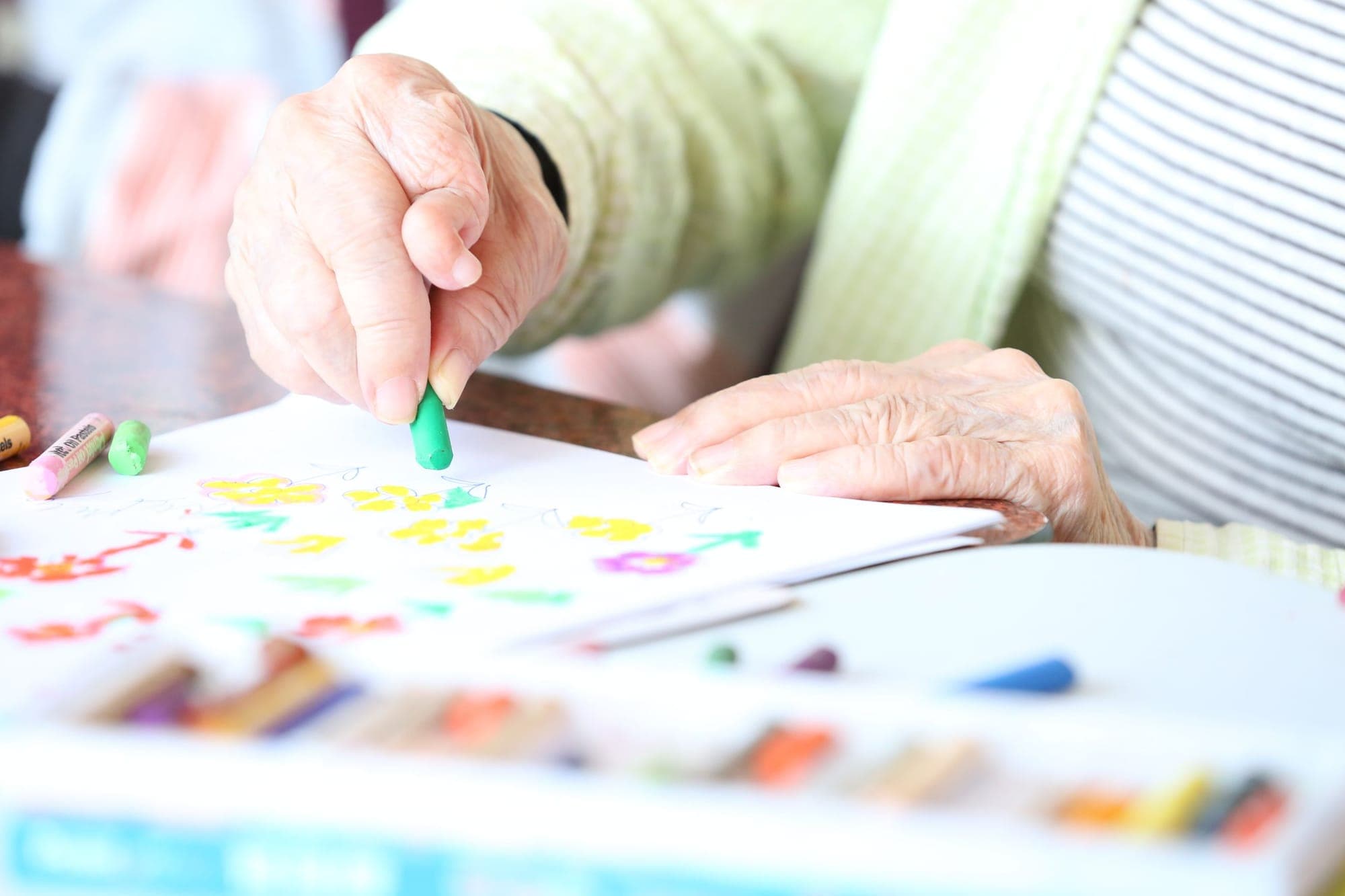
Intermedial therapy combines several forms of artistic expression in one session: painting and making, music, movement, writing and play. You deliberately switch between media, for example from a movement to a picture and on to a short text. You do not need any artistic experience.

therapists
2
session length
50–60 min

Therascout does not diagnose. Have new, severe or persistent complaints checked by a doctor first. Emergency: 144

Origin and approach

Intermedial therapy is rooted in expressive arts therapy, shaped from the 1970s by Paolo Knill, among others, in the United States and Europe. The idea is that each art form opens a different route to inner experience, and switching between them can open up new perspectives and options for action. Research on its effects is limited.

What a session is like

Length: 50–60 min
  1. You start by talking about your concern and how you are feeling at the moment.
  2. In the creative phase you work with different media and switch between them.
  3. Together with the therapist, you look at what has emerged and what it might mean for your daily life.

Intermedial therapy (expressive arts): what is it used for?

  • Intermedial therapy is used alongside other care for low mood.
  • People come during life crises and grief.
  • Many use it when stressed or when they want to find a new direction.
  • It is often chosen when feelings are hard to put into words.

How well is the effect supported?

Complaints for which this method is commonly used, sorted by the state of research. The rating shows how well the effect is supported, not whether it will help you.

What do the dots mean?
Established
recommended in guidelines, well studied
Some evidence
effect shown in studies, with limitations
Limited evidence
few or weak studies
Traditional use
used, but hardly studied

The rating covers the research, not the therapist.

Therapists: Intermedial therapy (expressive arts)

  • Cabinet Chevalley

    Save

    Save Nathalie Chevalley?

    With a free account, your saved therapists, your compare list and your health insurer stay available on all your devices.
    Create account
    • 5.0(2)
    • Lausanne
    • Languages: fr
    Intermedial therapy (expressive arts)Dance and movement therapy
    EMR
    Price
    CHF 72–150
  • Praxis Fischer

    Save

    Save Barbara Fischer?

    With a free account, your saved therapists, your compare list and your health insurer stay available on all your devices.
    Create account
    • St. Gallen
    Intermedial therapy (expressive arts)

Costs and health insurance

Basic insurance
usually not.
Supplementary insurance
often 50–80% with EMR- or ASCA-recognised therapists, often up to an annual maximum.
Your insurer
Each profile shows which insurers recognise the therapist.
Price per session
Practices set their own prices; you can see them in each profile.
Recognitions explained →

Good to know

  • Often 10 to 20 sessions; research on its effects is limited.
  • If you have severe depression, have experienced trauma or have suicidal thoughts, contact a doctor or psychotherapist first – in an acute crisis, call Die Dargebotene Hand on 143.

Training and recognition in Switzerland

The protected qualification is Art Therapist with Federal Diploma (OdA ARTECURA), here with a specialisation in intermedial therapy. Basic insurance does not pay for it; supplementary insurers usually only contribute to the cost if the therapist is registered with EMR or ASCA.