Skip to content
Therascout

Language

Acupressure

In acupressure, specific points on the body are pressed with the fingers, thumb or palm. It uses the same points as acupuncture, but without needles. Many people find it pleasant and relaxing.

therapists
5
per session
CHF 105–110
session length
45–60 min

Therascout does not diagnose. Have new, severe or persistent complaints checked by a doctor first. Emergency: 144

Origin and approach

Acupressure comes from Chinese and Japanese tradition and is based on the idea of channels through which the life energy qi flows. Pressing the points is meant to release blockages and restore the body’s balance. This model has not been scientifically proven, and there are still few studies on its effects.

What a session is like

Length: 45–60 min
  1. At the start, you talk with the therapist about your complaints and how you are feeling.
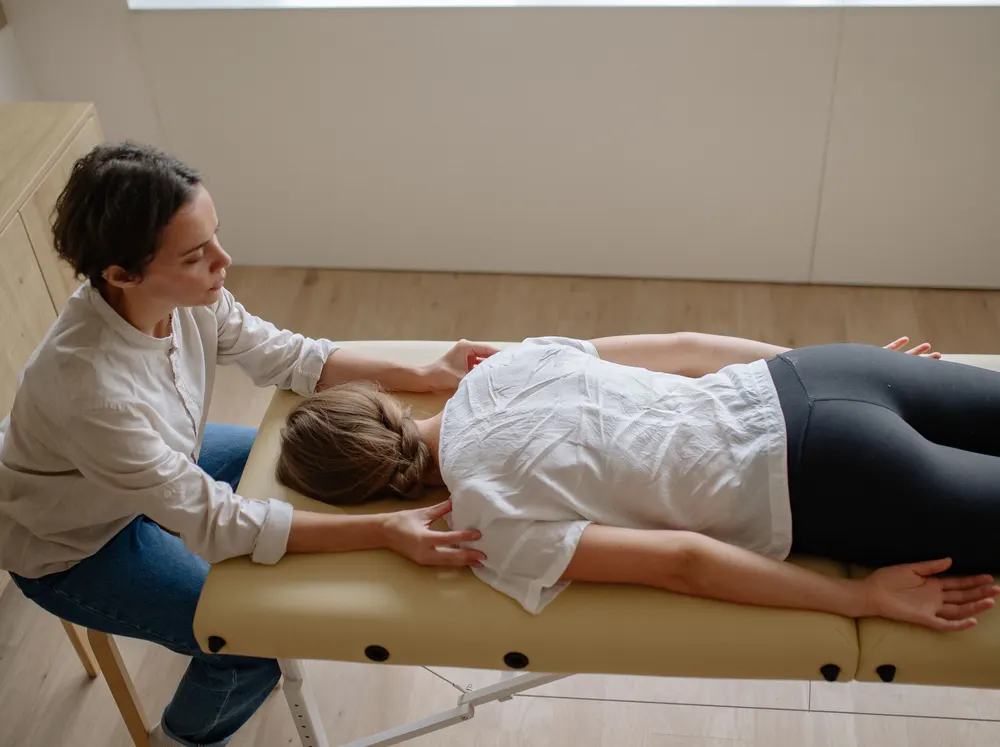
  2. You keep your clothes on and lie on a treatment table or mat; comfortable clothing is ideal.
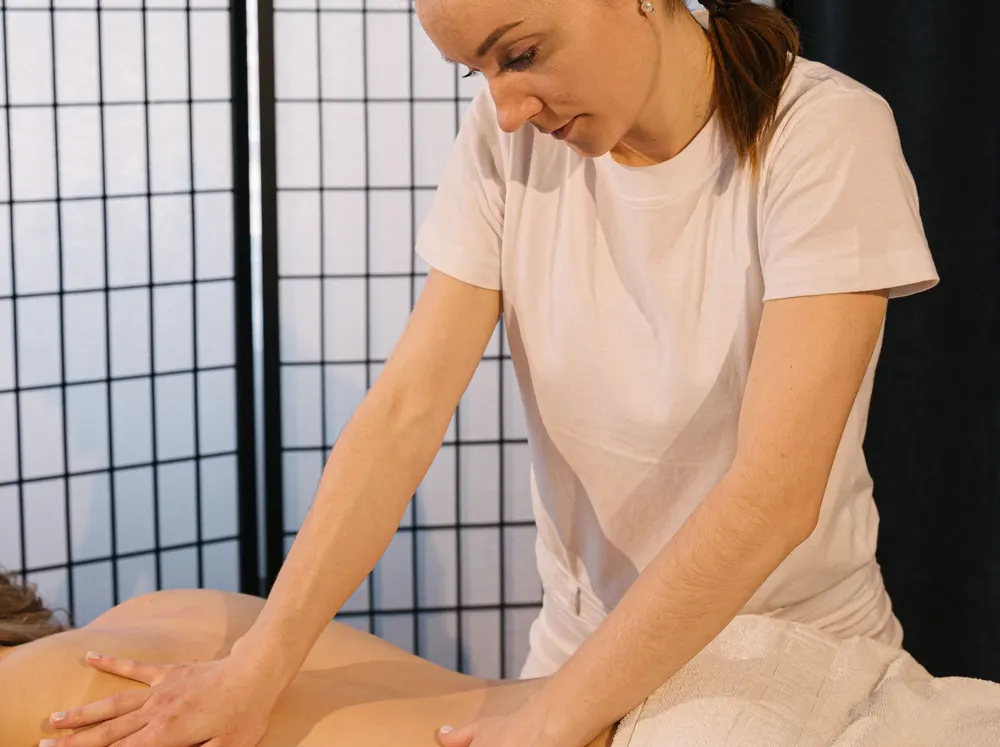
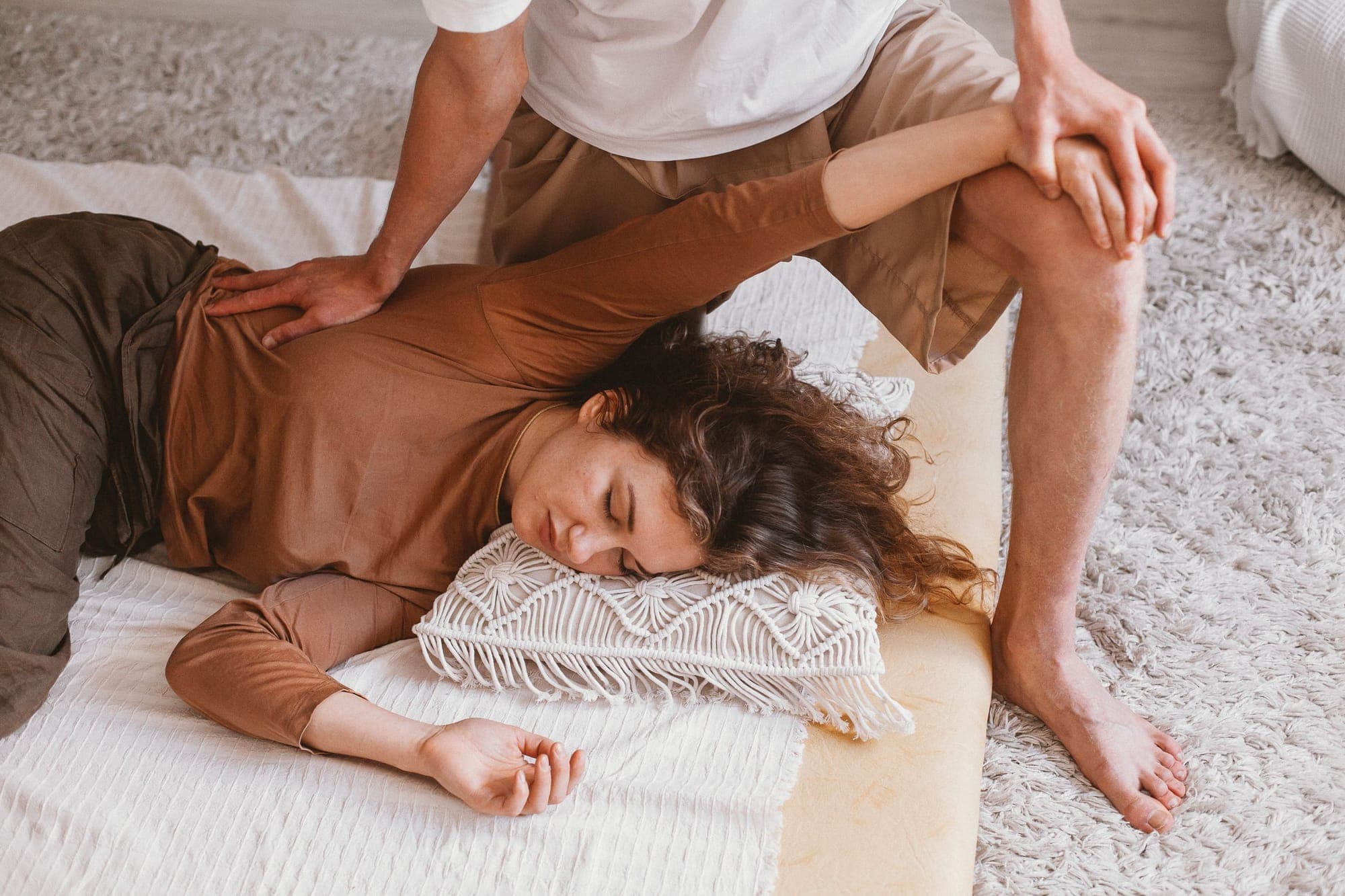
  3. The therapist presses selected points one after another, each for a few seconds to a few minutes.
  4. The pressure can be quite noticeable but should never become unpleasant; say so if it is too much.
  5. The therapist often shows you a few points you can press yourself at home.

Acupressure: what is it used for?

  • Headaches, often alongside other measures.
  • Sleep problems and difficulty winding down in the evening.
  • Stress and inner tension.

For all of these uses there are still only a few studies, with mixed results.

How well is the effect supported?

Complaints for which this method is commonly used, sorted by the state of research. The rating shows how well the effect is supported, not whether it will help you.

What do the dots mean?
Established
recommended in guidelines, well studied
Some evidence
effect shown in studies, with limitations
Limited evidence
few or weak studies
Traditional use
used, but hardly studied

The rating covers the research, not the therapist.

Therapists: Acupressure

  • Studio Rossi

    Save

    Save Elena Rossi?

    With a free account, your saved therapists, your compare list and your health insurer stay available on all your devices.
    Create account
    • 4.8(4)
    • Lugano
    • Languages: it · de
    AcupunctureTraditional Chinese Medicine (TCM)Acupressure
    EMR
    Price
    CHF 69–145
    Next appointment
    Available Fri, 16 Oct
  • Praxis Simone Suter

    Save

    Save Simone Suter?

    With a free account, your saved therapists, your compare list and your health insurer stay available on all your devices.
    Create account
    • 4.7(3)
    • Schaffhausen
    • Languages: de · fr
    Traditional Chinese Medicine (TCM)AcupunctureAcupressure
    EMR
    Price
    CHF 69–145
    Next appointment
    Available Thu, 15 Oct
  • Studio Sara Fontana

    Save

    Save Sara Fontana?

    With a free account, your saved therapists, your compare list and your health insurer stay available on all your devices.
    Create account
    • 5.0(2)
    • Locarno
    • Languages: it
    AcupunctureTraditional Chinese Medicine (TCM)Acupressure
    ASCASwiss federal diploma
    Price
    CHF 72–150
See all 5

Costs and health insurance

Basic insurance
only with doctors who hold the relevant certificate.
Supplementary insurance
often 50–80% with EMR- or ASCA-recognised therapists, often up to an annual maximum.
Your insurer
Each profile shows which insurers recognise the therapist.
Price per session
usually CHF 105–110, median CHF 105 (60 minutes, as stated by the practices)
Recognitions explained →

Good to know

  • Often 5 to 10 sessions are planned, at first about once a week.
  • Acupressure is well tolerated; you may have mild, temporary muscle soreness or small pressure marks.
  • Tell the therapist if you are pregnant or take blood thinners; for new or severe symptoms, see a doctor first.
  • Acupressure can complement medical treatment but not replace it.

Training and recognition in Switzerland

In Switzerland, acupressure is usually offered as a complementary therapy method; one route is the federal diploma for complementary therapists. Basic insurance does not pay for it; many supplementary insurance policies contribute, usually only if the therapist is registered with EMR or ASCA.