
Skip to content
Therascout

Language

Draining methods (detox procedures)

Draining methods are techniques from Traditional European Medicine that are meant to draw something out through the skin, the blood or excretion. They include cupping and leeches, bloodletting, in which a small amount of blood is taken from a vein, and the Baunscheidt method, in which the skin is lightly pricked with a needle device and rubbed with an irritating oil. Which methods are used depends on the therapist and the complaints.

therapists
2
session length
30–60 min

Therascout does not diagnose. Have new, severe or persistent complaints checked by a doctor first. Emergency: 144

Origin and approach

They are based on the ancient theory of humours, according to which illness arises from an imbalance of the body’s fluids and harmful matter should be drawn out. Today, supporters tend to explain possible effects through stimuli to the skin, nerves and blood flow. There is no evidence of detoxification in the sense of removing waste products, and studies on the individual methods are scarce.

What a session is like

Length: 30–60 min
  1. The conversation covers your complaints, your lifestyle, your medication and previous illnesses.
  2. The therapist suggests a method and explains how it works and its risks.
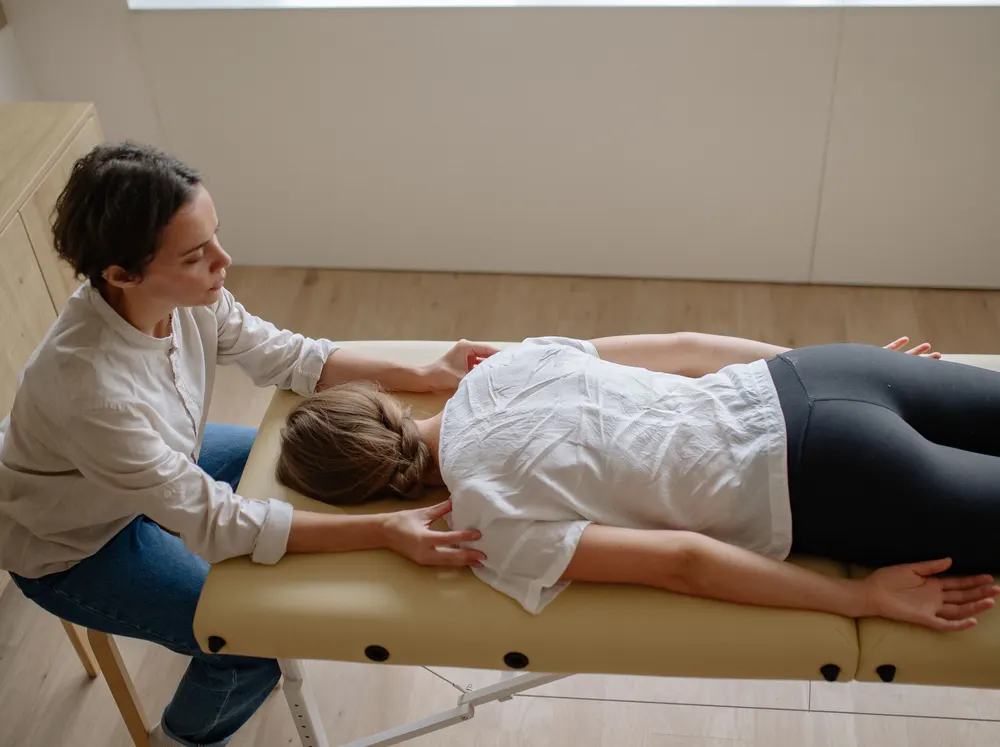
  3. The application itself usually takes 10 to 30 minutes, for example on the back.
  4. Afterwards, you rest and get advice on skin care and what to do in the next few days.

Draining methods (detox procedures): what is it used for?

  • Back pain and muscle tension.
  • Exhaustion and the feeling of being weighed down.
  • As part of a naturopathic course of treatment, for example together with a change in diet or fasting.

For these uses draining methods rely on tradition; evidence from studies is largely lacking.

How well is the effect supported?

Complaints for which this method is commonly used, sorted by the state of research. The rating shows how well the effect is supported, not whether it will help you.

What do the dots mean?
Established
recommended in guidelines, well studied
Some evidence
effect shown in studies, with limitations
Limited evidence
few or weak studies
Traditional use
used, but hardly studied

The rating covers the research, not the therapist.

Therapists: Draining methods (detox procedures)

  • Ausleitende Verfahren Meier

    Save

    Save Claudia Meier?

    With a free account, your saved therapists, your compare list and your health insurer stay available on all your devices.
    Create account
    • Basel
    • Languages: de · en · fr
    Draining methods (detox procedures)
    EGK therapist register
  • Méthodes dérivatives Favre

    Save

    Save Céline Favre?

    With a free account, your saved therapists, your compare list and your health insurer stay available on all your devices.
    Create account
    • Geneva
    Draining methods (detox procedures)

Costs and health insurance

Basic insurance
only with doctors who hold the relevant certificate.
Supplementary insurance
often 50–80% with EMR- or ASCA-recognised therapists, often up to an annual maximum.
Your insurer
Each profile shows which insurers recognise the therapist.
Price per session
Practices set their own prices; you can see them in each profile.
Recognitions explained →

Good to know

  • The Baunscheidt method strongly irritates the skin and can leave pustules, itching and scars; bloodletting puts a strain on the circulation.
  • Not suitable with anaemia, low blood pressure, blood thinners, clotting disorders or during pregnancy.
  • In conventional medicine, bloodletting is the standard treatment for certain blood disorders, such as iron overload (haemochromatosis); these belong in a doctor’s hands.

Training and recognition in Switzerland

Draining methods are part of the training for the federal diploma as a naturopath in Traditional European Medicine (OdA AM). Cantonal rules apply to methods that involve taking blood or breaking the skin. Basic insurance does not pay for them; supplementary insurers contribute depending on the policy, usually only with EMR or ASCA registration.