Skip to content
Therascout

Language

Hydrotherapy

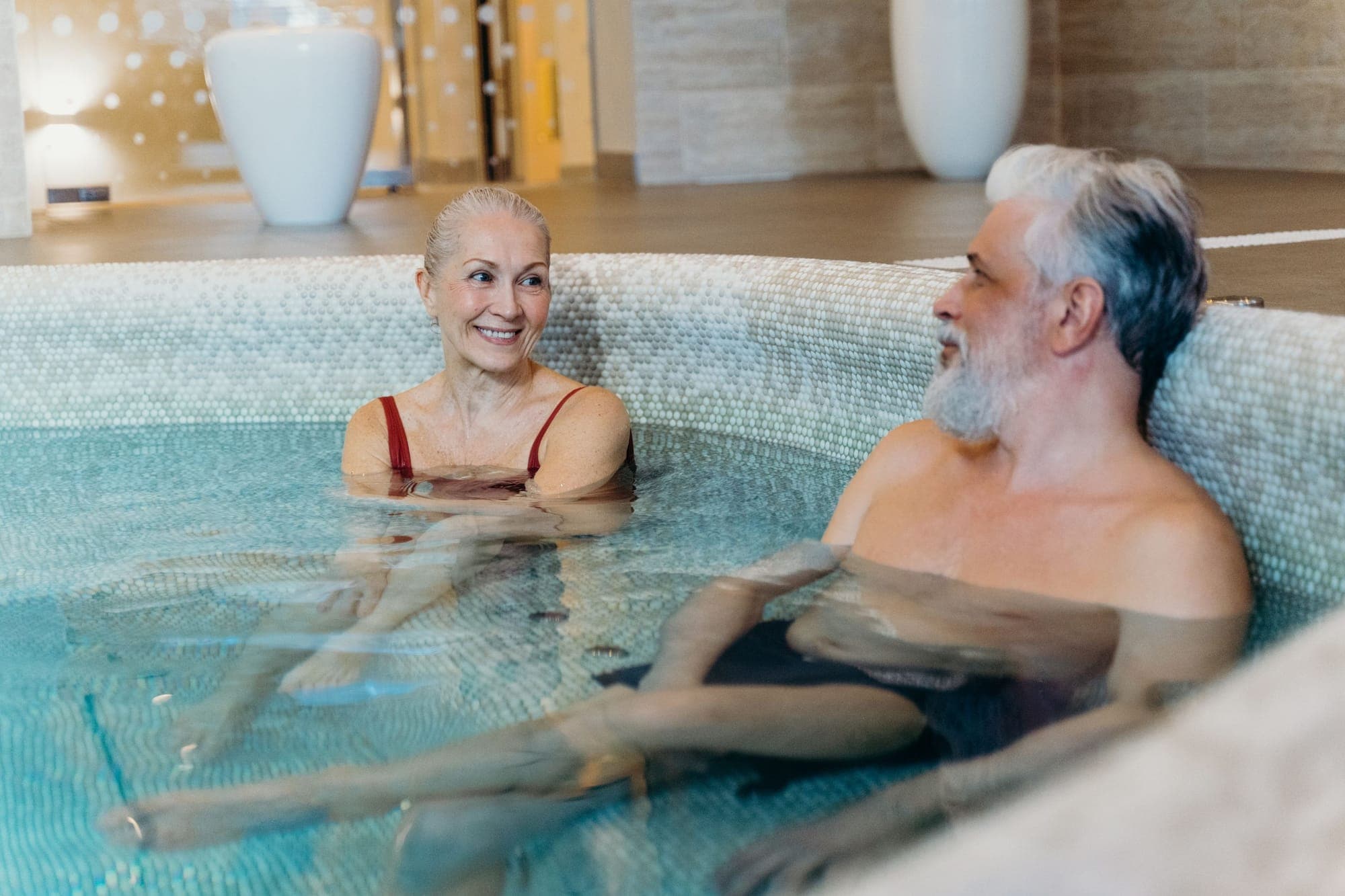
Hydrotherapy is the targeted use of water at different temperatures and in different forms: affusions, partial and full baths, contrast baths, washes, steam and exercise in warm water. Warmth relaxes and improves blood flow, while short cold stimuli activate the circulation. It is used in physiotherapy, rehabilitation clinics and naturopathy.

therapists
2
session length
20–45 min

Therascout does not diagnose. Have new, severe or persistent complaints checked by a doctor first. In an emergency: 144

Origin and approach

Water treatments have been known since ancient times; in the 19th century they were popularised by Vincenz Priessnitz and Sebastian Kneipp, among others. The idea is that temperature stimuli trigger responses in the blood vessels, nervous system and muscles, and buoyancy in water takes the load off the joints. For exercise in warm water and baths in osteoarthritis and back pain there are signs of short-term relief, but the studies are often small.

What a session is like

Length: 20–45 min
  1. First, the therapist checks your complaints as well as your heart, circulation and blood pressure.
  2. Depending on the goal, a treatment follows, such as a partial bath, an affusion, a contrast bath or exercises in a therapy pool.
  3. Afterwards, you rest, warmly covered.
  4. You often get instructions for simple treatments at home.

Hydrotherapy: what is it used for?

  • Back and joint pain, for example with osteoarthritis, especially with exercise in warm water.
  • Muscle tension.
  • Stress and relaxation; this use is based mainly on experience.
  • Stimulating the circulation, traditionally.

How well is the effect supported?

Complaints for which this method is commonly used, sorted by the state of research. The rating shows how well the effect is supported, not whether it will help you.

What do the dots mean?
Established
recommended in guidelines, well studied
Partly supported
effect shown in studies, with limitations
Limited evidence
few or weak studies
Hardly studied
used, but hardly or not studied

The rating covers the research, not the therapist.

  • Partly supported

    Joint pain

    Exercise in water slightly improves pain and function in the short term. The evidence is of moderate quality.

Therapists: Hydrotherapy

  • Portrait of Barbara Huber, Hydrotherapy in Chur

    Praxis Barbara Huber

    Save

    Save Barbara Huber?

    With a free account, your saved therapists, your compare list and your health insurer stay available on all your devices.
    Create account
    • 5.0(2)
    • Chur
    • Languages: de · en
    HydrotherapyNaturopathyTraditional European Medicine (TEM)
    Price
    CHF 60–140
  • Praxis Beat Brunner

    Save

    Save Beat Brunner?

    With a free account, your saved therapists, your compare list and your health insurer stay available on all your devices.
    Create account
    • Baden
    Hydrotherapy

Costs and health insurance

Basic insurance
only with doctors who hold the relevant certificate.
Supplementary insurance
often 50–80% with EMR- or ASCA-recognised therapists, often up to an annual maximum.
Your insurer
Each profile shows which insurers recognise the therapist.
Practice prices
See prices in each practice profile.
Recognitions explained →

Good to know

  • Cold and hot stimuli put a strain on the heart and circulation: with heart disease, high blood pressure or vein problems, check with a doctor first which treatments are suitable.
  • Hydrotherapy is not done with fever, acute infections or open wounds.
  • The effect depends on regular use; often a series of 6 to 12 treatments is planned.

Training and recognition in Switzerland

Hydrotherapy is part of the training of physiotherapists, medical massage therapists with a federal certificate and naturopaths in Traditional European Medicine. As part of physiotherapy prescribed by a doctor, basic insurance covers it; otherwise supplementary insurance contributes depending on the policy, usually only with EMR or ASCA registration.