Skip to content
Therascout

Language

Bach flower therapy

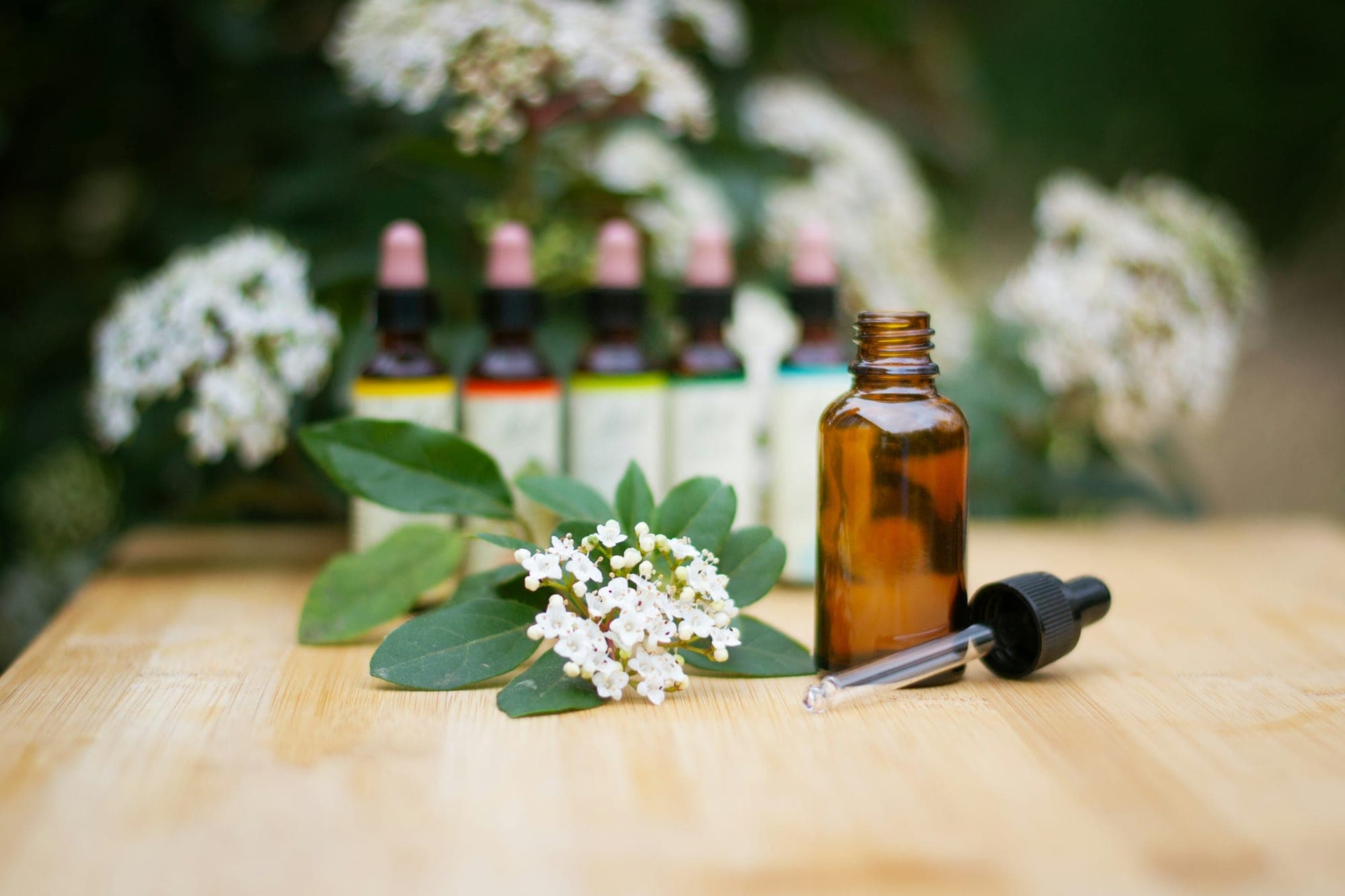
Bach flower therapy uses 38 flower essences, each linked to a particular emotional state, such as fear, uncertainty or feeling overwhelmed. The essences are usually taken as drops, often as a personal blend. Systematic reviews have not found effects beyond placebo.

therapists
5
per session
CHF 100–125
session length
45–60 min

Therascout does not diagnose. Have new, severe or persistent complaints checked by a doctor first. Emergency: 144

Origin and approach

The method was developed in the 1930s by the British physician Edward Bach. He believed that emotional imbalances contribute to illness and that the energy of flowers could rebalance them. Many people especially value the conversation about their feelings and the time the therapist takes for it.

What a session is like

Length: 45–60 min
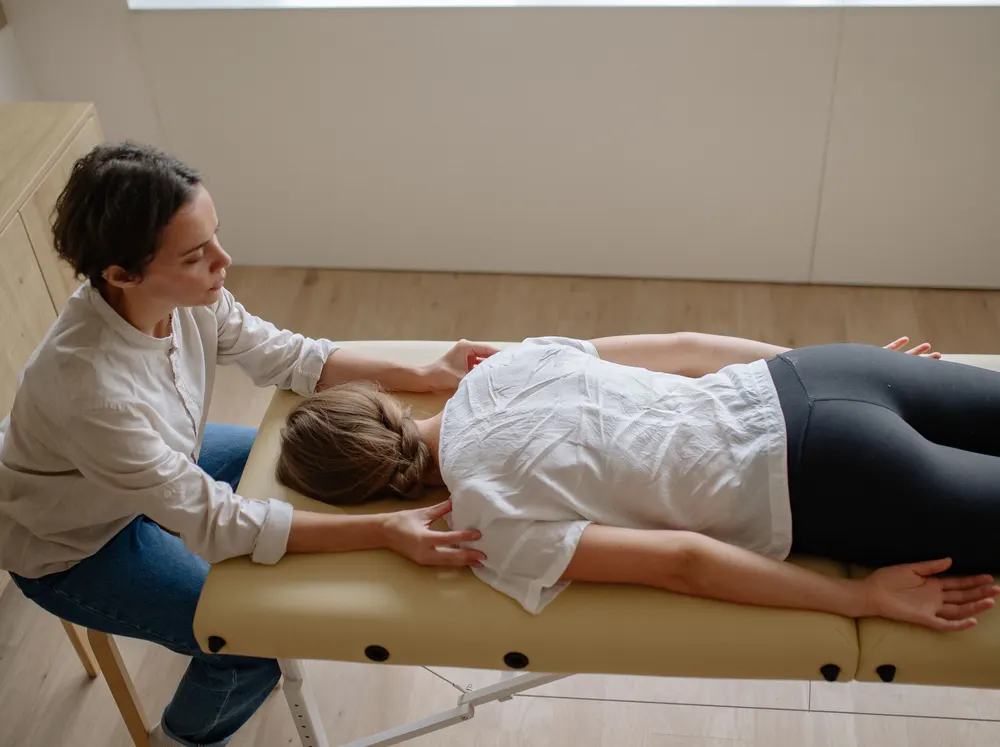
  1. In the conversation, you describe what is weighing on you at the moment and how you feel.
  2. Together with the therapist you usually choose up to six or seven suitable flowers.
  3. A personal blend is made from them, which you take several times a day for a few weeks.
  4. At a follow-up appointment you review how you are, and the blend is adjusted if needed.

Bach flower therapy: what is it used for?

  • Stress and feeling overwhelmed.
  • Anxiety, worries and inner restlessness.
  • Difficult phases of life when you want to take time to look at your feelings.

For none of these uses has an effect of the flower essences beyond placebo been shown.

How well is the effect supported?

Complaints for which this method is commonly used, sorted by the state of research. The rating shows how well the effect is supported, not whether it will help you.

What do the dots mean?
Established
recommended in guidelines, well studied
Some evidence
effect shown in studies, with limitations
Limited evidence
few or weak studies
Traditional use
used, but hardly studied

The rating covers the research, not the therapist.

Therapists: Bach flower therapy

  • Praxis Simone Müller

    Save

    Save Simone Müller?

    With a free account, your saved therapists, your compare list and your health insurer stay available on all your devices.
    Create account
    • 4.8(5)
    • Bern
    • Languages: de · en
    Fango (mud) therapyBach flower therapy
    ASCA
    Price
    CHF 63–145
    Next appointment
    Available Wed, 14 Oct
  • Praxis Michael Brunner

    Save

    Save Michael Brunner?

    With a free account, your saved therapists, your compare list and your health insurer stay available on all your devices.
    Create account
    • 5.0(2)
    • Zurich
    • Languages: de
    HomeopathyNaturopathyBach flower therapy
    ASCA
    Price
    CHF 60–140
  • Praxis Anna Graf

    Save

    Save Anna Graf?

    With a free account, your saved therapists, your compare list and your health insurer stay available on all your devices.
    Create account
    • 5.0(2)
    • Aarau
    • Languages: de · en
    Bach flower therapyNaturopathy
    Swiss federal diploma
    Price
    CHF 63–145
See all 5

Costs and health insurance

Basic insurance
only with doctors who hold the relevant certificate.
Supplementary insurance
often 50–80% with EMR- or ASCA-recognised therapists, often up to an annual maximum.
Your insurer
Each profile shows which insurers recognise the therapist.
Price per session
usually CHF 100–125, median CHF 105 (60 minutes, as stated by the practices)
Recognitions explained →

Good to know

  • Often one to three consultations are enough, with each blend taken for a few weeks.
  • The essences are usually preserved in alcohol (brandy); alcohol-free versions are available for children, during pregnancy or if you avoid alcohol.
  • If anxiety or low mood persists, contact your doctor or a psychotherapist; Bach flowers do not replace medical or psychotherapeutic treatment.

Training and recognition in Switzerland

In Switzerland, Bach flower therapy is offered as a complementary method; training is private and varies in length. Basic insurance does not pay for it; some supplementary insurance policies contribute, usually only if the therapist is registered with EMR or ASCA.