
Skip to content
Therascout

Language

Herbal medicine (phytotherapy)

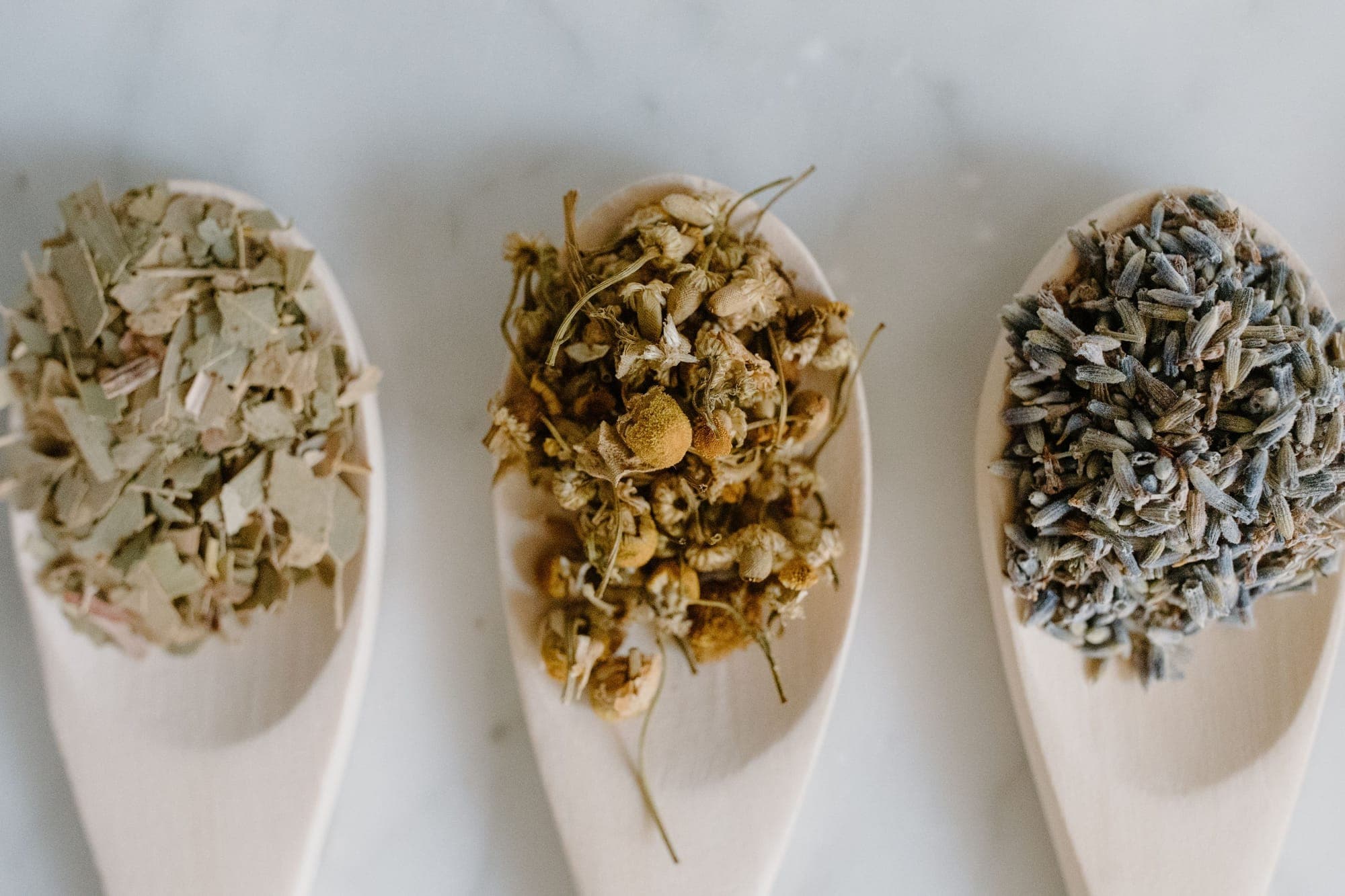
Phytotherapy is treatment with medicinal plants, for example as tea, tincture, tablets or ointment. Well-known examples are valerian, lemon balm, peppermint and chamomile. Unlike in homeopathy, the plant substances are present in measurable amounts; in Switzerland many herbal medicines are authorised by Swissmedic.

therapists
8
session length
30–60 min

Therascout does not diagnose. Have new, severe or persistent complaints checked by a doctor first. In an emergency: 144

Origin and approach

Medicinal plants are among the oldest remedies of all and are known in every culture. Modern phytotherapy combines this traditional knowledge with research on active ingredients, dosage and quality. For some plants there are indications from studies; for many traditional uses there are none.

What a session is like

Length: 30–60 min
  1. The therapist or doctor asks about your complaints, previous illnesses and all medication you take.
  2. Together you choose which plants are suitable and in what form.
  3. You receive clear instructions on dose and duration, and sometimes a tea blend or tincture made up for you.
  4. After a few weeks you review whether the treatment suits you or should be adjusted.

Herbal medicine (phytotherapy): what is it used for?

  • Sleep problems and difficulty settling down.
  • Stress and nervous tension.
  • Digestive complaints such as bloating or feeling overfull.
  • Menstrual complaints and menopause symptoms.
  • Frequent infections, here mainly based on tradition.

For the other uses there are still only a few studies, with mixed results.

How well is the effect supported?

Complaints for which this method is commonly used, sorted by the state of research. The rating shows how well the effect is supported, not whether it will help you.

What do the dots mean?
Established
recommended in guidelines, well studied
Partly supported
effect shown in studies, with limitations
Limited evidence
few or weak studies
Hardly studied
used, but hardly or not studied

The rating covers the research, not the therapist.

Show all 9 complaints

Limited evidence · 5 more complaints

few or weak studies

Therapists: Herbal medicine (phytotherapy)

  • Portrait of Barbara Weber, Naturopathy in Basel

    Naturheilkunde Weber

    Save

    Save Barbara Weber?

    With a free account, your saved therapists, your compare list and your health insurer stay available on all your devices.
    Create account
    • 4.7(3)
    • Basel
    • Languages: de
    NaturopathyTraditional European Medicine (TEM)Herbal medicine (phytotherapy)
    EMREGK therapist registerSwiss federal diploma
    Price
    CHF 63–145
    Next appointment
    Available from tomorrow
  • Portrait of Laura Fischer, Ozone therapy in Biel/Bienne

    Praxis Fischer

    Save

    Save Laura Fischer?

    With a free account, your saved therapists, your compare list and your health insurer stay available on all your devices.
    Create account
    • 5.0(2)
    • Biel/Bienne
    • Languages: de · fr
    Ozone therapyNaturopathyHerbal medicine (phytotherapy)
    EMREGK therapist register
    Price
    CHF 63–145
  • Portrait of Aurélie Jaquet, Anthroposophic therapy in Lausanne

    Cabinet Jaquet

    Save

    Save Aurélie Jaquet?

    With a free account, your saved therapists, your compare list and your health insurer stay available on all your devices.
    Create account
    • Lausanne
    • Languages: fr · en · de
    Anthroposophic therapyTraditional European Medicine (TEM)Herbal medicine (phytotherapy)
    EMREGK therapist registerSwiss federal diploma
    Price
    CHF 63–145
See all 8

Costs and health insurance

Basic insurance
only with doctors who hold the relevant certificate.
Supplementary insurance
often 50–80% with EMR- or ASCA-recognised therapists, often up to an annual maximum.
Your insurer
Each profile shows which insurers recognise the therapist.
Practice prices
See prices in each practice profile.
Recognitions explained →

Good to know

  • Herbal remedies are usually taken for a few weeks and then reviewed; one to three appointments are often enough.
  • ‘Natural’ does not mean harmless: St John’s wort, for example, can weaken the effect of the contraceptive pill and many other medicines, so always tell your doctor what you are taking.
  • Buy preparations from pharmacies or drugstores; products from the internet or abroad are sometimes wrongly dosed or contaminated.
  • During pregnancy and breastfeeding, for children and for new or severe symptoms, talk to your doctor first; phytotherapy does not replace medical treatment.

Training and recognition in Switzerland

Phytotherapy by doctors with an FMH certificate is covered by basic insurance. Non-medical therapists learn it, among other routes, in naturopath training, especially in TEM; depending on your policy, supplementary insurance covers their treatments, usually only with EMR or ASCA registration. Pharmacies and drugstores also give advice on medicinal plants.