
Skip to content
Therascout

Language

Occupational therapy

Occupational therapy helps people whose daily life is limited by illness, injury, disability or developmental delays. The aim is to manage everyday activities such as dressing, cooking, working, learning or playing as independently as possible. Occupational therapists work with children, adults and older people.

therapists
3
session length
45–60 min

Therascout does not diagnose. Have new, severe or persistent complaints checked by a doctor first. In an emergency: 144

Origin and approach

Occupational therapy emerged in the early 20th century from the experience that meaningful activity supports recovery. The focus is not on the illness but on what you want and need to do in daily life. To achieve this, skills are trained, routines are adapted or aids are used.

What a session is like

Length: 45–60 min
  1. First, the therapist finds out which activities are difficult for you and what matters to you.
  2. Together you set concrete goals for everyday life.
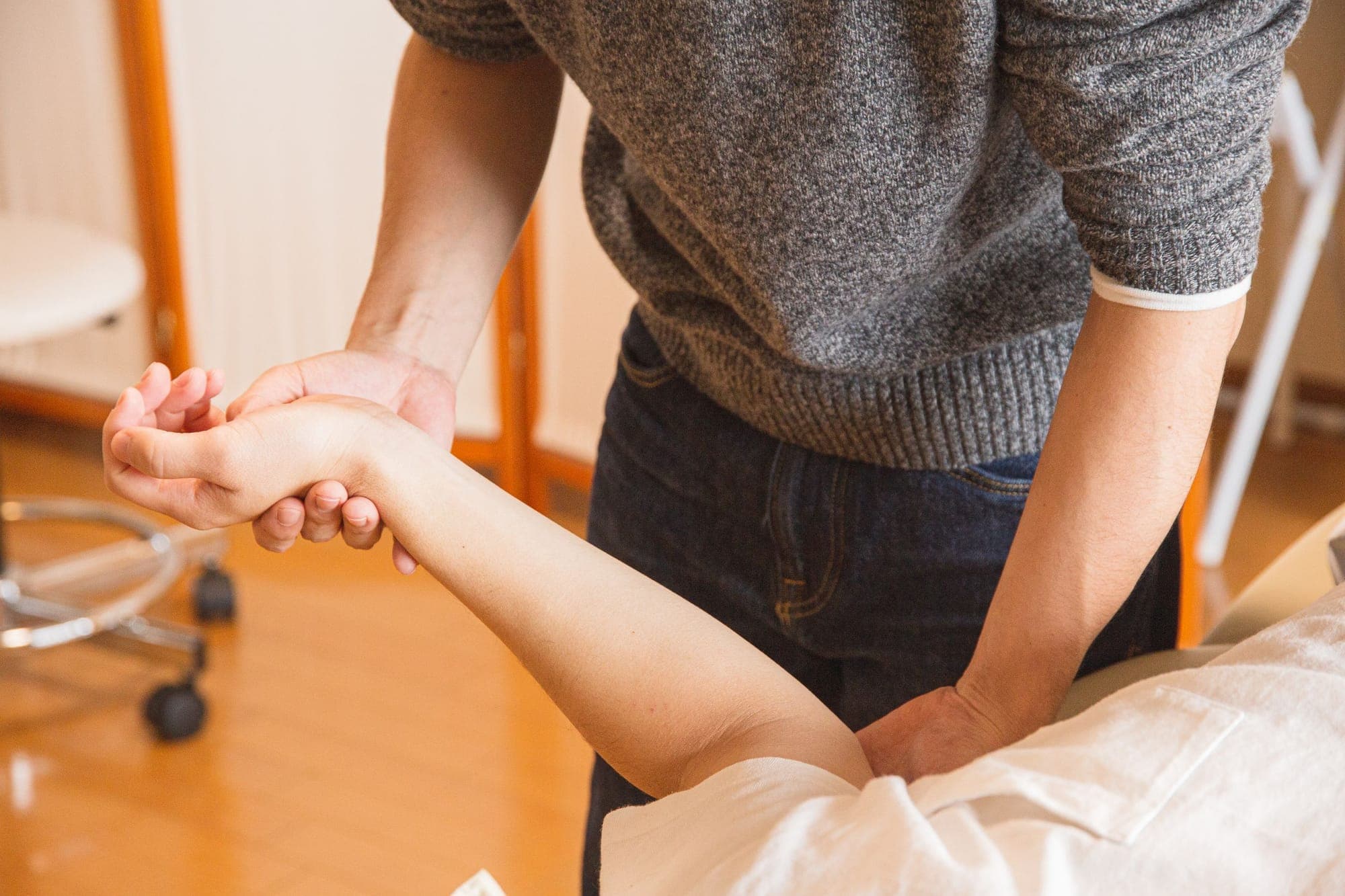
  3. In therapy you practise practical tasks, train fine motor skills, strength or concentration, and learn about helpful aids.
  4. If needed, therapy can also take place at home, at work or at school.

Occupational therapy: what is it used for?

  • Rehabilitation after surgery and injury, especially of the hand and arm, where occupational therapy is a recognised standard treatment.
  • Joint pain, for example with rheumatic conditions, using joint protection, splints and aids, where there are some positive studies.
  • Chronic pain, to organise daily life so you can stay active despite the pain.
  • Concentration problems, for example in children at school, where there are some positive studies.

How well is the effect supported?

Complaints for which this method is commonly used, sorted by the state of research. The rating shows how well the effect is supported, not whether it will help you.

What do the dots mean?
Established
recommended in guidelines, well studied
Partly supported
effect shown in studies, with limitations
Limited evidence
few or weak studies
Hardly studied
used, but hardly or not studied

The rating covers the research, not the therapist.

  • Partly supported

    Joint pain

    For hand osteoarthritis, the European guideline recommends training in joint-friendly movement, assistive devices and splints.

Therapists: Occupational therapy

  • Portrait of Julie Dubois, Occupational therapy in Lausanne

    Cabinet Julie Dubois

    Save

    Save Julie Dubois?

    With a free account, your saved therapists, your compare list and your health insurer stay available on all your devices.
    Create account
    • 4.8(4)
    • Lausanne
    • Languages: fr · de
    • Online
    Occupational therapyPhysiotherapyOsteopathy
    Price
    CHF 60–140
    Next appointment
    Available Fri, 16 Oct
  • Praxis Claudia Fischer

    Save

    Save Claudia Fischer?

    With a free account, your saved therapists, your compare list and your health insurer stay available on all your devices.
    Create account
    • Frauenfeld
    Occupational therapy
  • Portrait of Simon Zimmermann, Occupational therapy in Zurich

    Praxis Simon Zimmermann

    Save

    Save Simon Zimmermann?

    With a free account, your saved therapists, your compare list and your health insurer stay available on all your devices.
    Create account
    • 4.7(3)
    • Zurich
    • Languages: de · en
    Occupational therapyPhysiotherapy
    Basic insurance (KVG)
    Price
    CHF 63–145
    Next appointment
    No new patients

Costs and health insurance

Basic insurance
yes, with a doctor's referral, minus deductible and co-payment.
Supplementary insurance
may cover additional services, depending on your policy.
Your insurer
Each profile shows which insurers recognise the therapist.
Practice prices
See prices in each practice profile.
Recognitions explained →

Good to know

  • Several sessions over a few weeks to months are usually needed, often once a week.
  • You need a doctor’s prescription for basic insurance to pay.
  • Occupational therapists can also make custom splints and advise you on choosing aids.
  • If your symptoms are new or getting worse, please have them checked by a doctor first.

Training and recognition in Switzerland

Occupational therapists complete a bachelor’s degree (BSc) at a university of applied sciences. Occupational therapy is regulated under the Health Professions Act (GesBG), and independent practice requires a cantonal licence. With a doctor’s prescription, basic insurance (KVG) pays for treatment.