Skip to content
Therascout

Language

Osteopathy

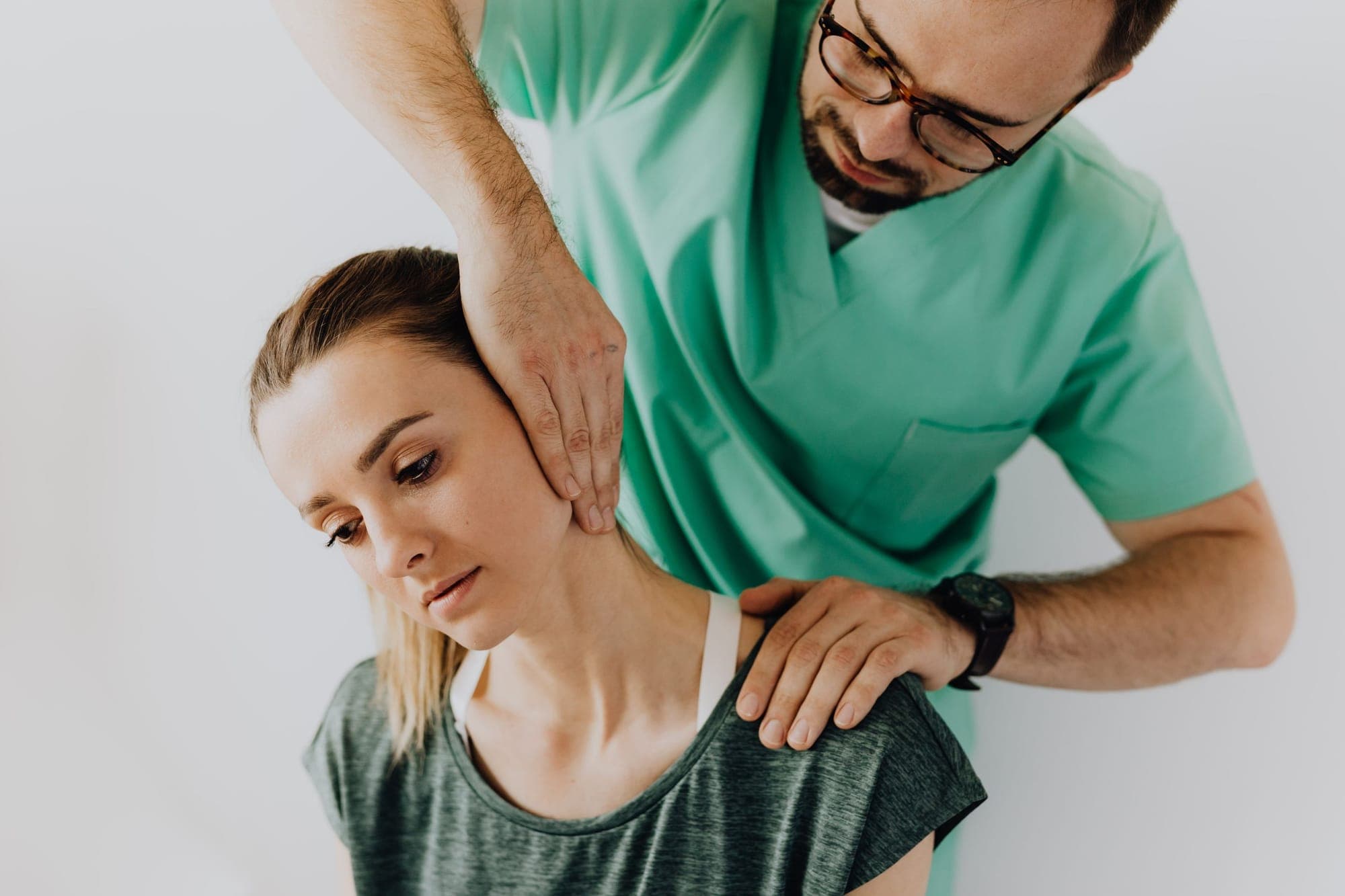
Osteopathy is a hands-on treatment. Osteopaths use touch to find areas of restricted movement and tension, and treat them with techniques ranging from very gentle to firmer. They look at the body as a whole rather than only at the painful spot.

therapists
16
per session
CHF 100–120
session length
45–60 min

Therascout does not diagnose. Have new, severe or persistent complaints checked by a doctor first. Emergency: 144

Origin and approach

Osteopathy was founded in the late 19th century by the American doctor Andrew Taylor Still. The basic idea is that the body’s movement and its function are closely linked. There are some studies on techniques for muscles and joints; the ideas behind some techniques, for example on the skull or the internal organs, are scientifically disputed.

What a session is like

Length: 45–60 min
  1. The first conversation covers your symptoms, your medical history and any warning signs.
  2. Your posture and mobility are then checked and your body is examined by touch, usually in underwear or comfortable clothing.
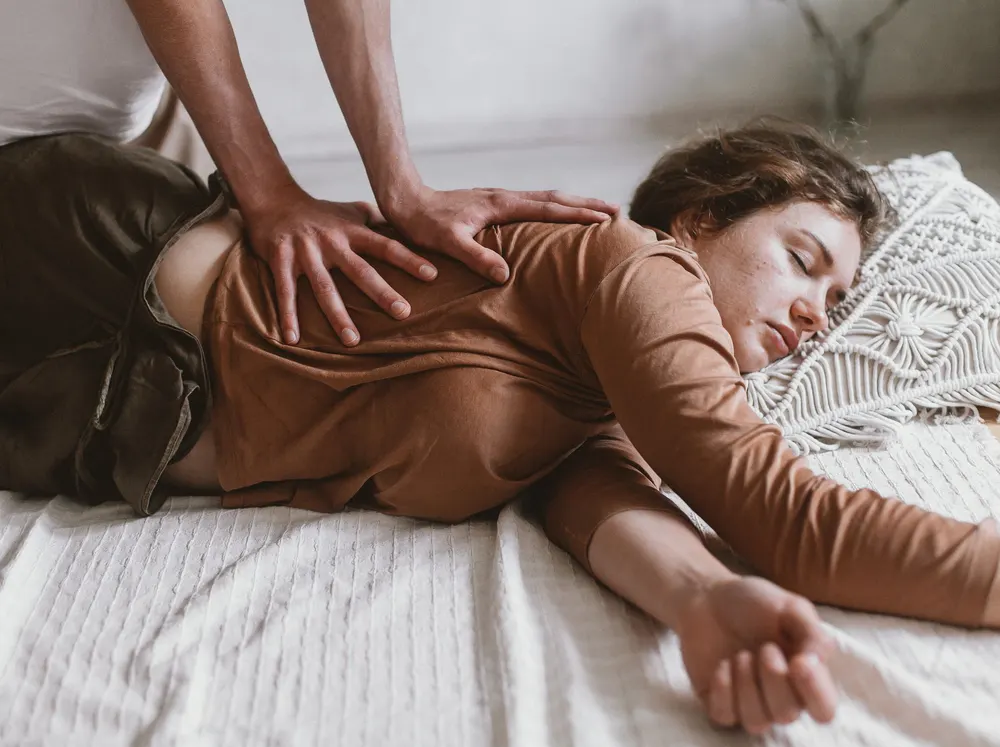
  3. Treatment takes place lying down or sitting, using various hands-on techniques.
  4. At the end you are often given advice on movement or posture in everyday life.

Osteopathy: what is it used for?

  • Back pain: some studies show relief, especially for back pain without a clear cause.
  • Neck pain and headaches, although the evidence here is limited and mixed.
  • Jaw problems and muscle tension; here too the scientific evidence is limited, but many people value the treatment.
  • Complaints during pregnancy such as back or pelvic pain, with few reliable findings so far.

How well is the effect supported?

Complaints for which this method is commonly used, sorted by the state of research. The rating shows how well the effect is supported, not whether it will help you.

What do the dots mean?
Established
recommended in guidelines, well studied
Some evidence
effect shown in studies, with limitations
Limited evidence
few or weak studies
Traditional use
used, but hardly studied

The rating covers the research, not the therapist.

Show all 6 complaints

Limited evidence · 2 more complaints

few or weak studies

Therapists: Osteopathy

  • Ostéopathie Bonvin

    Save

    Save Sébastien Bonvin?

    With a free account, your saved therapists, your compare list and your health insurer stay available on all your devices.
    Create account
    • 4.7(3)
    • Lausanne
    • Languages: fr · en · de
    OsteopathyFascia therapyCraniosacral therapy
    EMRASCA
    Price
    CHF 60–140
    Next appointment
    Available Thu, 15 Oct
  • Praxis Gerber · Physio & Osteo

    Save

    Save Lea Gerber?

    With a free account, your saved therapists, your compare list and your health insurer stay available on all your devices.
    Create account
    • 3.5(2)
    • Zurich
    • Languages: de · en · fr
    • Online
    PhysiotherapyOsteopathyMedical massage+1
    ASCAEGK therapist registerBasic insurance (KVG)
    Price
    CHF 80–160
    Next appointment
    Available Wed, 14 Oct
  • Praxis Suter

    Save

    Save Sarah Suter?

    With a free account, your saved therapists, your compare list and your health insurer stay available on all your devices.
    Create account
    • 4.8(5)
    • Zurich
    • Languages: de · en
    OsteopathyCraniosacral therapy
    EMR
    Price
    CHF 60–140
    Next appointment
    Available Fri, 16 Oct
See all 16

Costs and health insurance

Basic insurance
usually not.
Supplementary insurance
often 50–80% with EMR- or ASCA-recognised therapists, often up to an annual maximum.
Your insurer
Each profile shows which insurers recognise the therapist.
Price per session
usually CHF 100–120, median CHF 105 (60 minutes, as stated by the practices)
Recognitions explained →

Good to know

  • Usually only a few sessions are needed, one or more weeks apart; after two or three appointments, discuss whether anything has changed.
  • If your symptoms are new or severe, or you have had an accident, fever, paralysis or numbness, please see a doctor first.
  • You may feel sore or tired for a day or two after treatment; serious side effects are rare.
  • Osteopathy does not replace medical diagnosis or treatment; costs are usually only covered by supplementary insurance, so check beforehand.

Training and recognition in Switzerland

In Switzerland, osteopathy is regulated under the Health Professions Act (GesBG). Training consists of a bachelor’s and a master’s degree (MSc) at a university of applied sciences, and independent practice requires a cantonal licence. Basic insurance generally does not pay for osteopathy, but many supplementary insurance plans contribute.

Osteopathy in your city