
Skip to content
Therascout

Language

Alexander technique

The Alexander technique teaches you to notice and release unhelpful patterns of tension in everyday life. It looks at how you sit, stand, walk or speak, and how to do so with less effort. Teaching usually takes place in one-to-one lessons.

therapists
7
per session
CHF 85–95
session length
30–50 min

Therascout does not diagnose. Have new, severe or persistent complaints checked by a doctor first. Emergency: 144

Origin and approach

The Australian actor Frederick Matthias Alexander (1869–1955) developed the method after repeatedly losing his voice on stage. He noticed that he was unconsciously tensing his head and neck. The relationship between head, neck and back is therefore at the heart of the method.

What a session is like

Length: 30–50 min
  1. You stay clothed and work with everyday movements such as getting up, sitting or walking.
  2. The therapist guides you with a light touch and brief verbal cues.
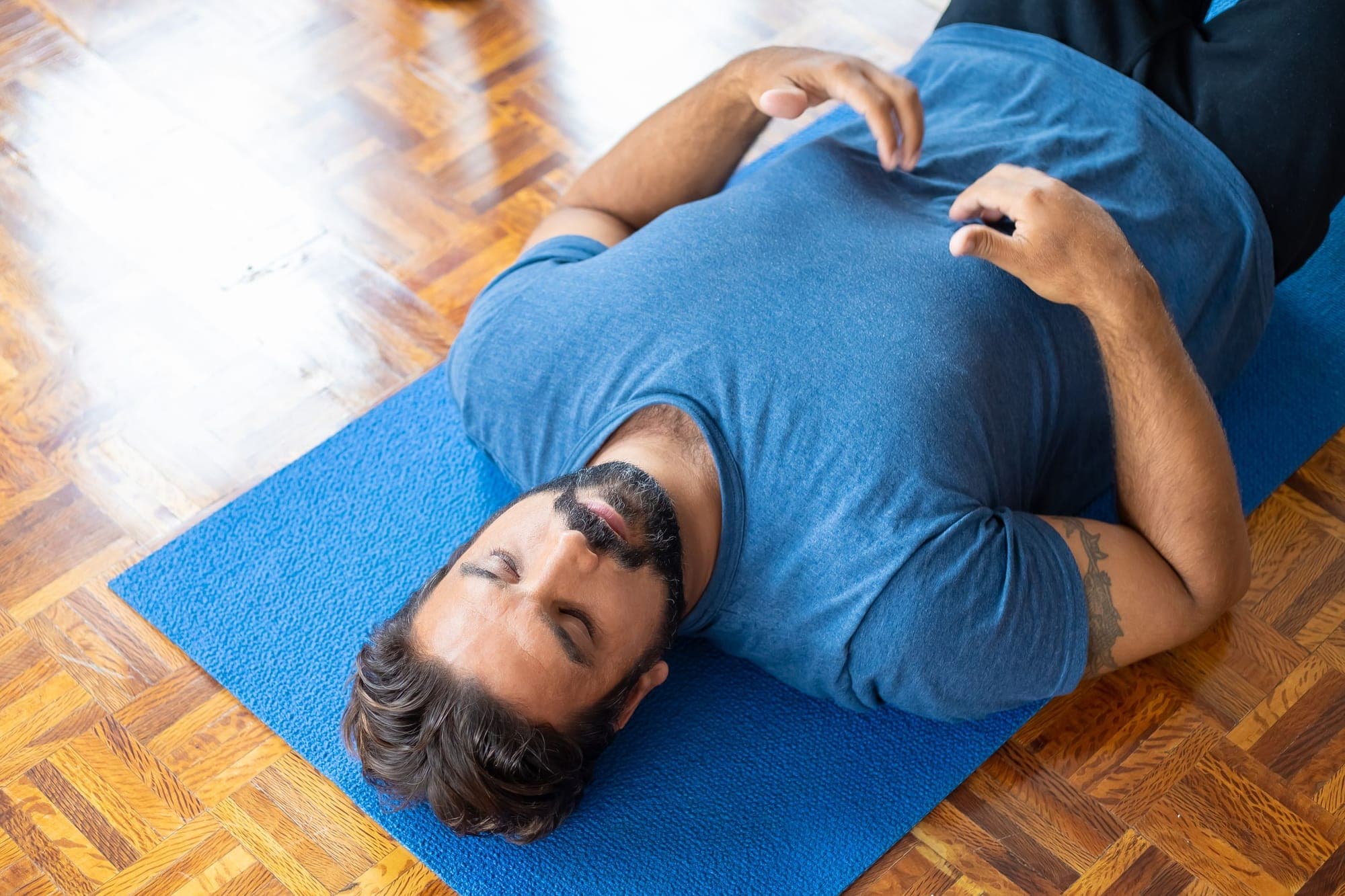
  3. Part of the lesson often takes place lying on a table, to let go of tension.
  4. You learn to notice ingrained habits and to respond differently on purpose.

Alexander technique: what is it used for?

  • For long-lasting back pain there are some positive studies, especially when combined with exercise.
  • Some studies also show positive results for chronic neck pain.
  • People often come because of their posture, for example after long hours at a screen.
  • Musicians, singers and actors often use the technique to use body and voice more easily in their work.

How well is the effect supported?

Complaints for which this method is commonly used, sorted by the state of research. The rating shows how well the effect is supported, not whether it will help you.

What do the dots mean?
Established
recommended in guidelines, well studied
Some evidence
effect shown in studies, with limitations
Limited evidence
few or weak studies
Traditional use
used, but hardly studied

The rating covers the research, not the therapist.

Therapists: Alexander technique

  • Polarity Wyss

    Save

    Save Patrick Wyss?

    With a free account, your saved therapists, your compare list and your health insurer stay available on all your devices.
    Create account
    • 4.7(3)
    • St. Gallen
    • Languages: de · en
    • Online
    PolarityAlexander technique
    EGK therapist register
    Price
    CHF 54–120
    Next appointment
    Available Thu, 15 Oct
  • Cabinet Sophie Bonvin

    Save

    Save Sophie Bonvin?

    With a free account, your saved therapists, your compare list and your health insurer stay available on all your devices.
    Create account
    • 5.0(2)
    • Geneva
    • Languages: fr · en
    Eurythmy therapyFeldenkrais methodAlexander technique
    EMR
    Price
    CHF 54–120
  • Praxis Keller

    Save

    Save Nina Keller?

    With a free account, your saved therapists, your compare list and your health insurer stay available on all your devices.
    Create account
    • 5.0(2)
    • St. Gallen
    • Languages: de · fr
    Feldenkrais methodAlexander techniqueYoga therapy
    EMRASCA
    Price
    CHF 57–125
See all 7

Costs and health insurance

Basic insurance
usually not.
Supplementary insurance
often 50–80% with EMR- or ASCA-recognised therapists, often up to an annual maximum.
Your insurer
Each profile shows which insurers recognise the therapist.
Price per session
usually CHF 85–95, median CHF 90 (60 minutes, as stated by the practices)
Recognitions explained →

Good to know

  • The technique is learned step by step; studies on back pain used 6 to 24 lessons.
  • Between lessons you practise on your own in daily life – this is an important part of the method.
  • If pain is new or severe, especially with numbness or weakness in your arms or legs, see a doctor first.

Training and recognition in Switzerland

Training usually takes three years with around 1,600 hours of tuition. The Alexander technique is a method within complementary therapy with Federal Diploma (OdA KT); supplementary insurance usually requires registration with EMR or ASCA before it contributes.