Skip to content
Therascout

Language

Spiral Dynamics

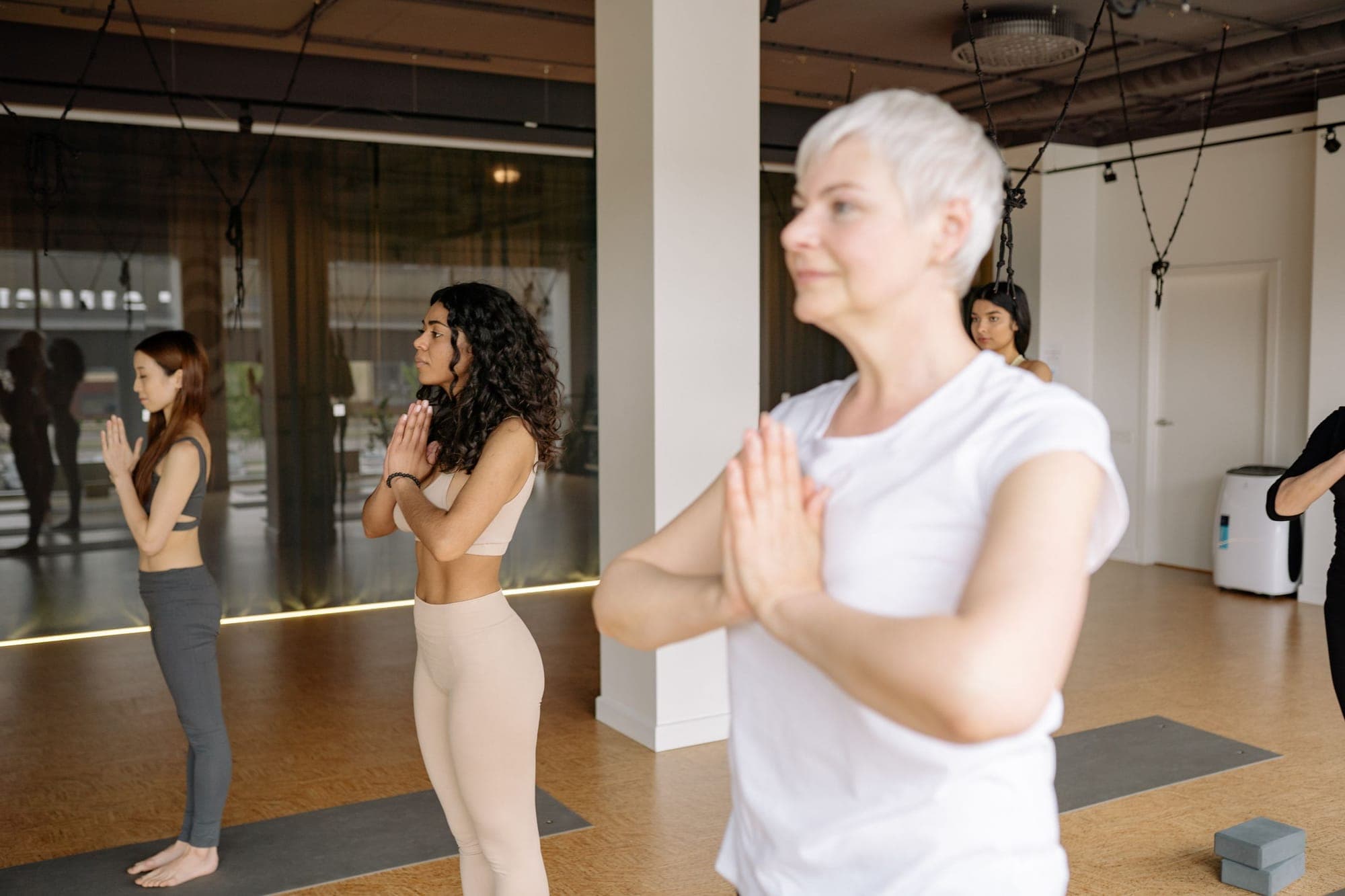
Spiral Dynamics (Spiraldynamik) is a movement and therapy concept from Switzerland. It describes how the body moves three-dimensionally in spirals and derives exercises from this for the feet, knees, hips, spine and shoulders. In one-to-one sessions you learn to move in everyday life in a way that is easier on your joints.

therapists
2
session length
45–60 min

Therascout does not diagnose. Have new, severe or persistent complaints checked by a doctor first. In an emergency: 144

Origin and approach

Spiral Dynamics was developed from the 1980s by the Swiss doctor Christian Larsen and the French physiotherapist Yolande Deswarte. It draws on anatomy and movement science: unfavourable movement patterns strain the joints, and well-coordinated movement is meant to relieve them. So far there are hardly any scientific studies on its effects.

What a session is like

Length: 45–60 min
  1. At the start, you talk about your complaints, and the therapist watches how you stand, walk and move.
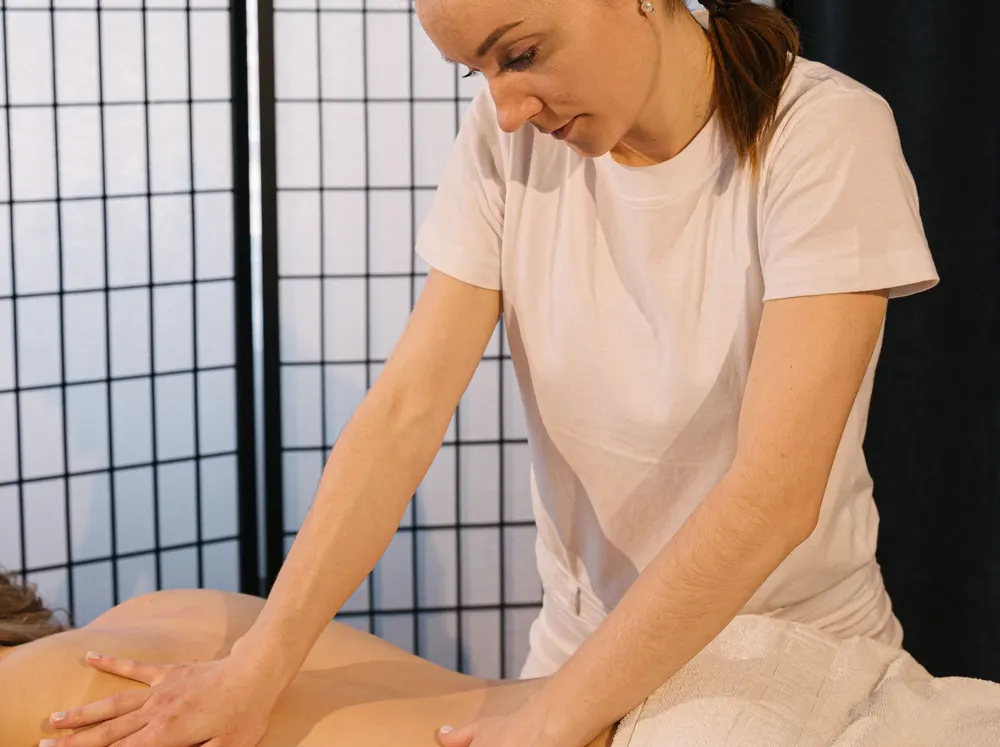
  2. You practise specific movements, often guided by the therapist’s hands.
  3. Everyday movements such as walking, sitting or bending are practised step by step.
  4. You get a short exercise programme for home.

Spiral Dynamics: what is it used for?

  • Posture problems.
  • Back pain.
  • Foot, knee and hip complaints, for example with foot misalignments.

For these uses Spiral Dynamics relies mainly on experience; studies are largely lacking.

How well is the effect supported?

Complaints for which this method is commonly used, sorted by the state of research. The rating shows how well the effect is supported, not whether it will help you.

What do the dots mean?
Established
recommended in guidelines, well studied
Partly supported
effect shown in studies, with limitations
Limited evidence
few or weak studies
Hardly studied
used, but hardly or not studied

The rating covers the research, not the therapist.

Therapists: Spiral Dynamics

  • Portrait of Jasmin Brunner, Spiral Dynamics in Olten

    Praxis Brunner

    Save

    Save Jasmin Brunner?

    With a free account, your saved therapists, your compare list and your health insurer stay available on all your devices.
    Create account
    • Olten
    • Languages: de · en
    Spiral DynamicsBreathing therapyYoga therapy
    EMREGK therapist register
    Price
    CHF 57–125
    Next appointment
    No new patients
  • Praxis Frei

    Save

    Save Barbara Frei?

    With a free account, your saved therapists, your compare list and your health insurer stay available on all your devices.
    Create account
    • Zug
    Spiral Dynamics

Costs and health insurance

Basic insurance
usually not.
Supplementary insurance
often 50–80% with EMR- or ASCA-recognised therapists, often up to an annual maximum.
Your insurer
Each profile shows which insurers recognise the therapist.
Practice prices
See prices in each practice profile.
Recognitions explained →

Good to know

  • Success depends on regular practice; often 5 to 10 lessons are held.
  • Have acute or severe pain, swelling or complaints after an accident checked by a doctor first.
  • Spiral Dynamics does not replace medical treatment but can complement it.

Training and recognition in Switzerland

Spiral Dynamics is taught in multi-level training, often taken by physiotherapists, doctors and movement professionals. If physiotherapists use it as part of physiotherapy prescribed by a doctor, basic insurance pays; otherwise some supplementary insurers contribute, usually only with EMR or ASCA registration.